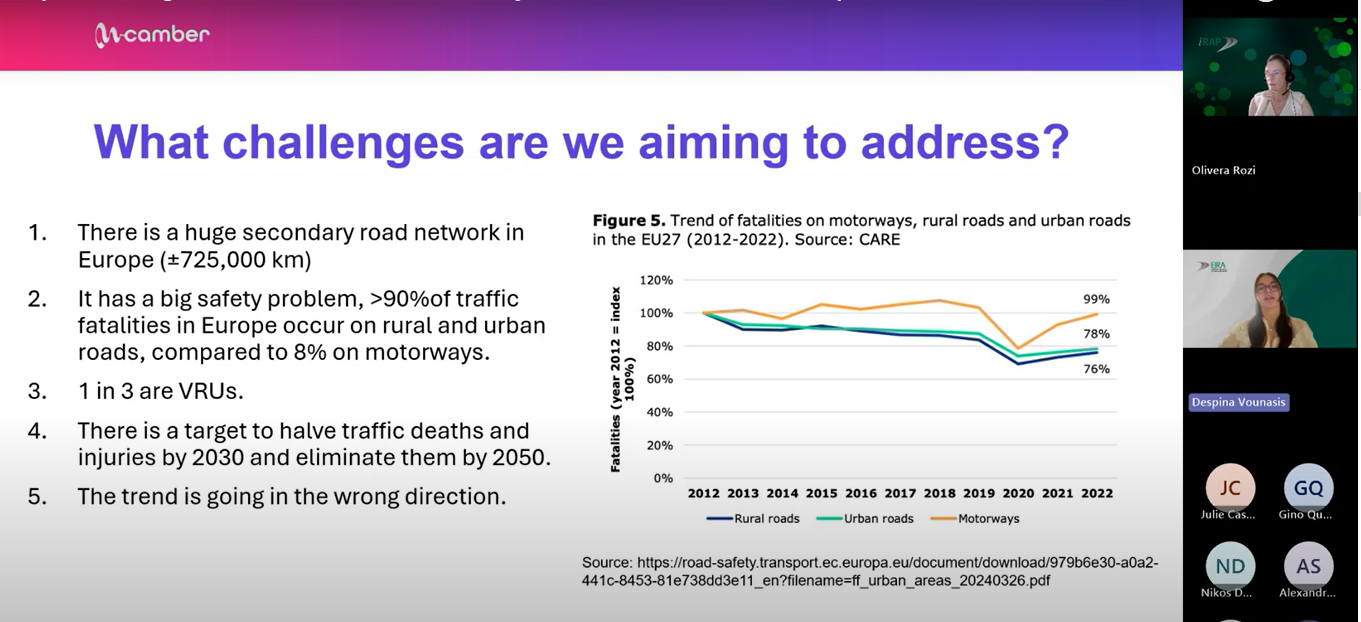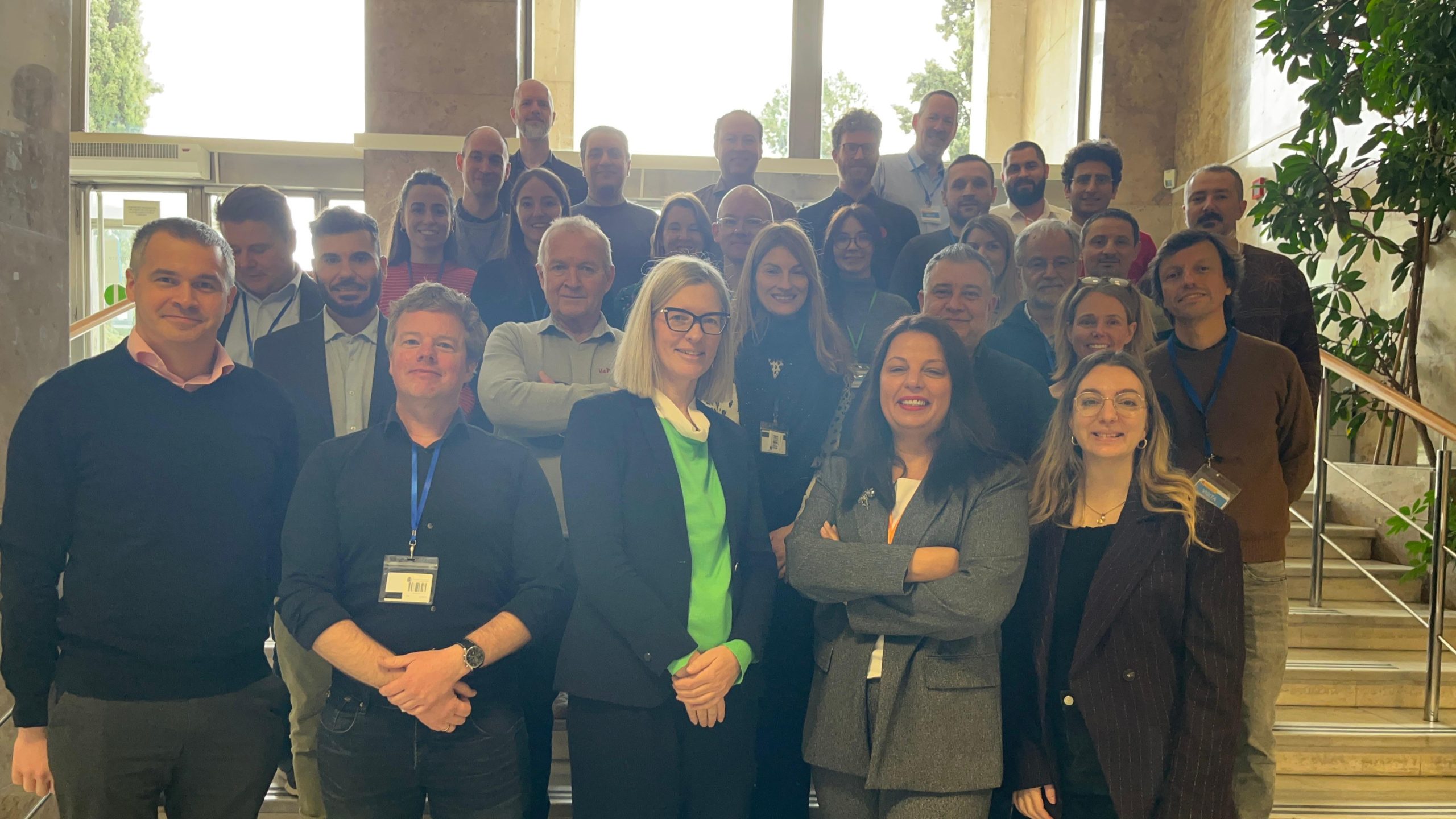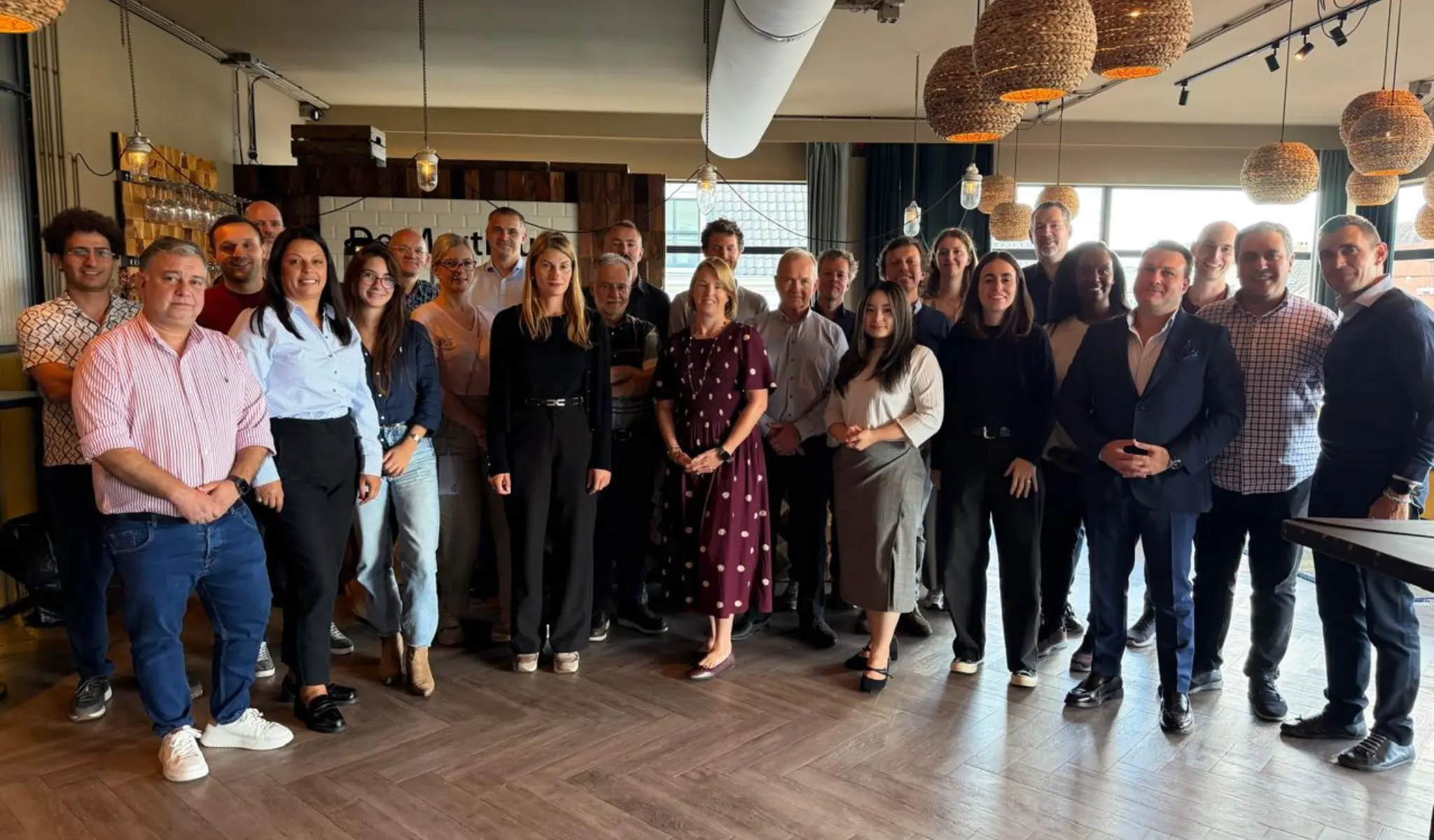
On 16-17 September 2026, CAMBER partners gathered in The Hague, the Netherlands, for a two-day Consortium Meeting hosted by SWOV. Beyond reviewing progress and planning the months ahead, the meeting marked an important moment for the project: the completion of its first 18 months and the transition into the second half of CAMBER.
The meeting offered an opportunity to reconnect in person, exchange ideas and align activities across the consortium following the first project Review Meeting. With the methodological foundations now established, discussions centred on how the project’s technical work is advancing towards implementation and evaluation across its five European pilot sites.
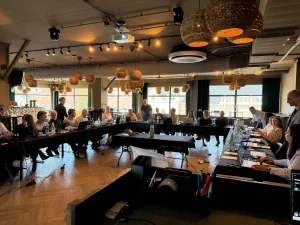
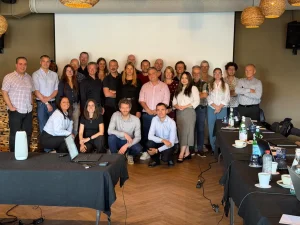
Over its first 18 months, CAMBER has laid the groundwork for an integrated approach to safer urban and secondary roads, bringing together new-generation data sources and analytics, Digital Twins, integrated asset and safety management, and innovative road safety interventions.
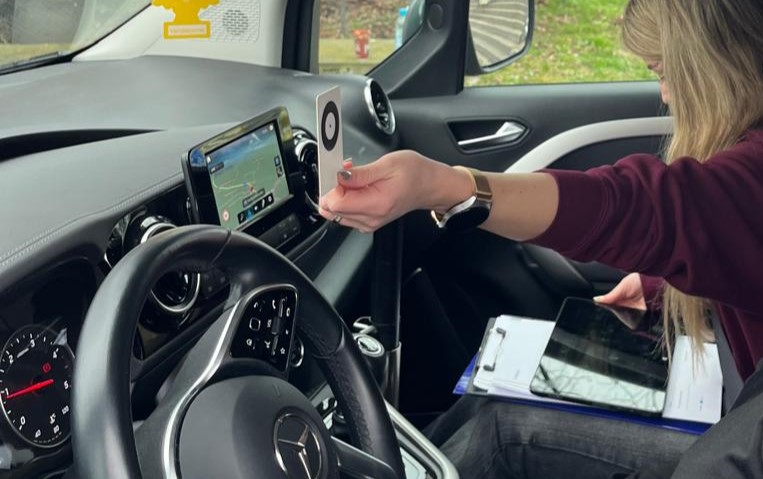
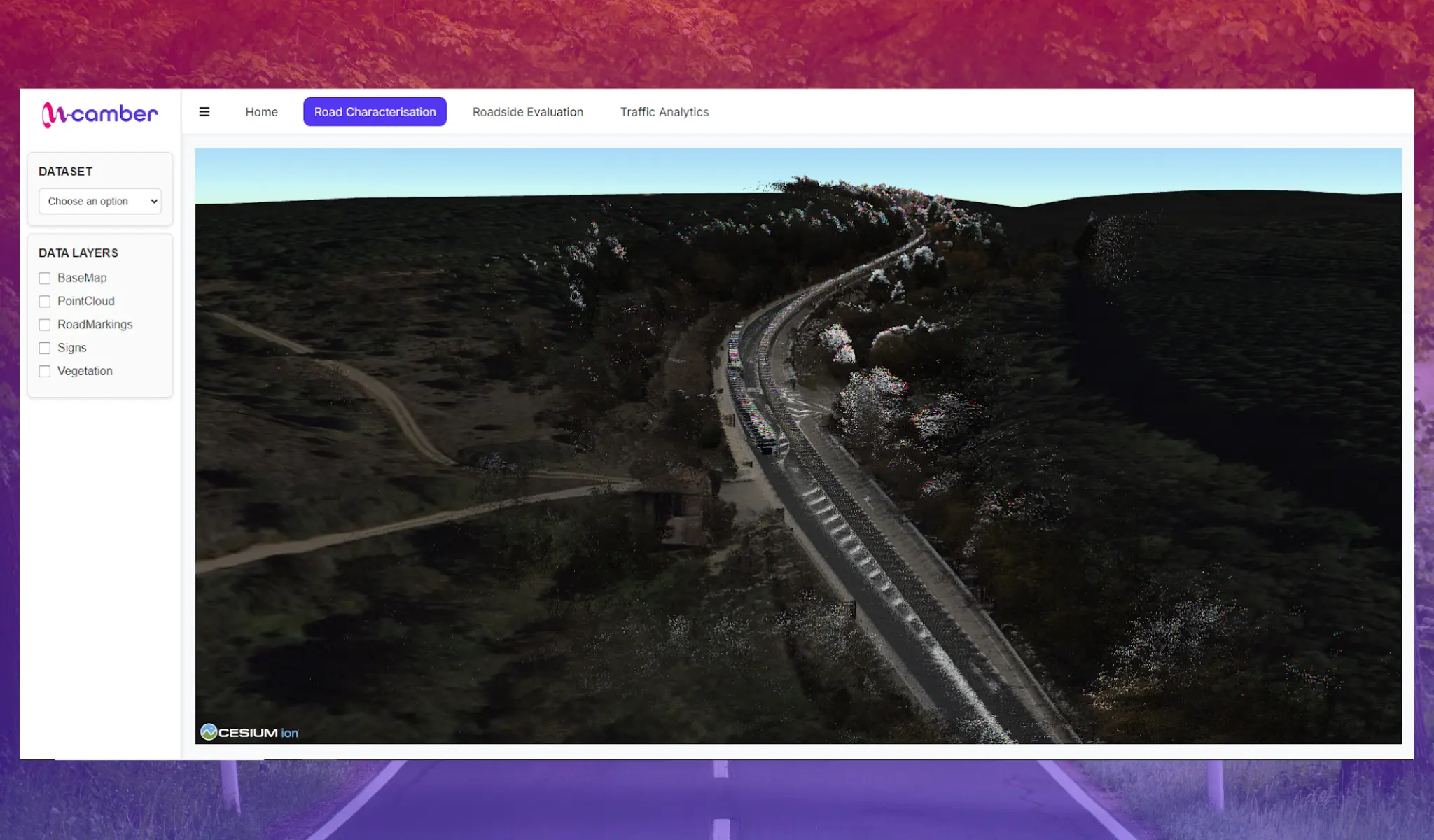
In The Hague, partners reviewed the latest work on data collection, fusion and provision, including existing and dynamic data, ground-truth measurements, and the development of safety and maintenance indicators. Attention then turned to the project’s technical solutions, with updates on in-vehicle safety system performance, integrated road asset and safety management, and Digital Twin development. These activities build on CAMBER’s ambition to make safety and maintenance decisions more proactive, data-driven and cost-effective.
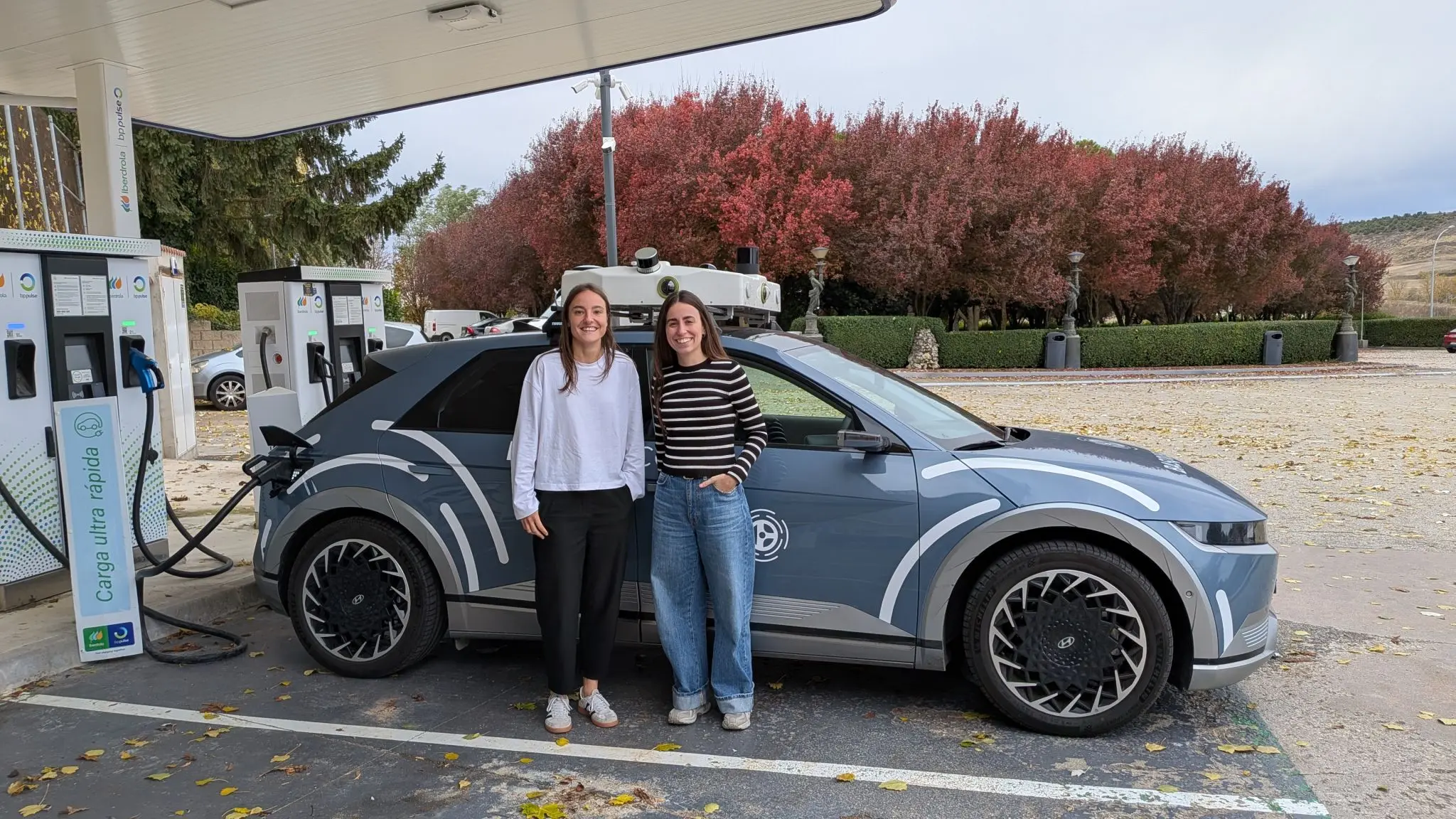
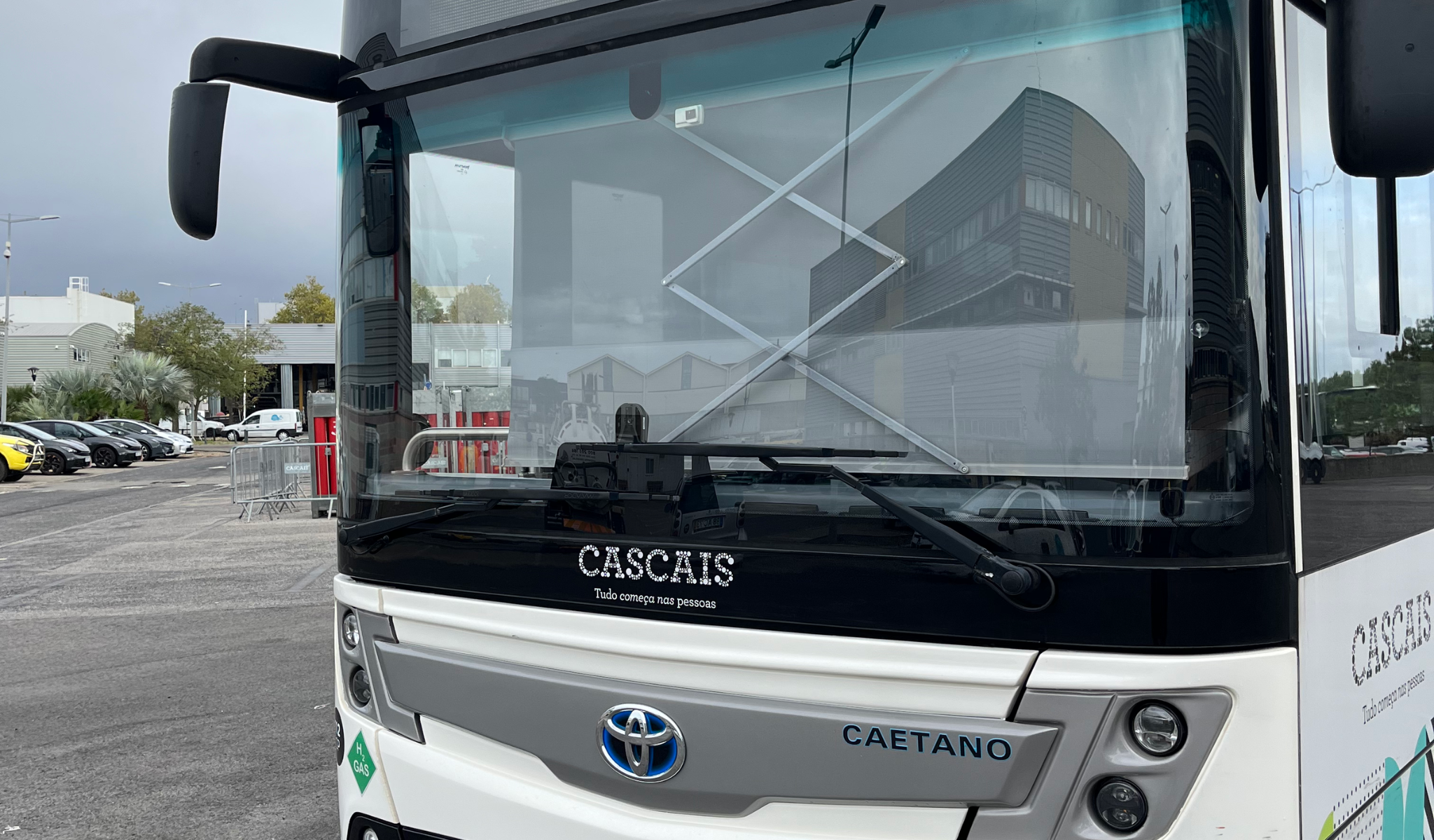
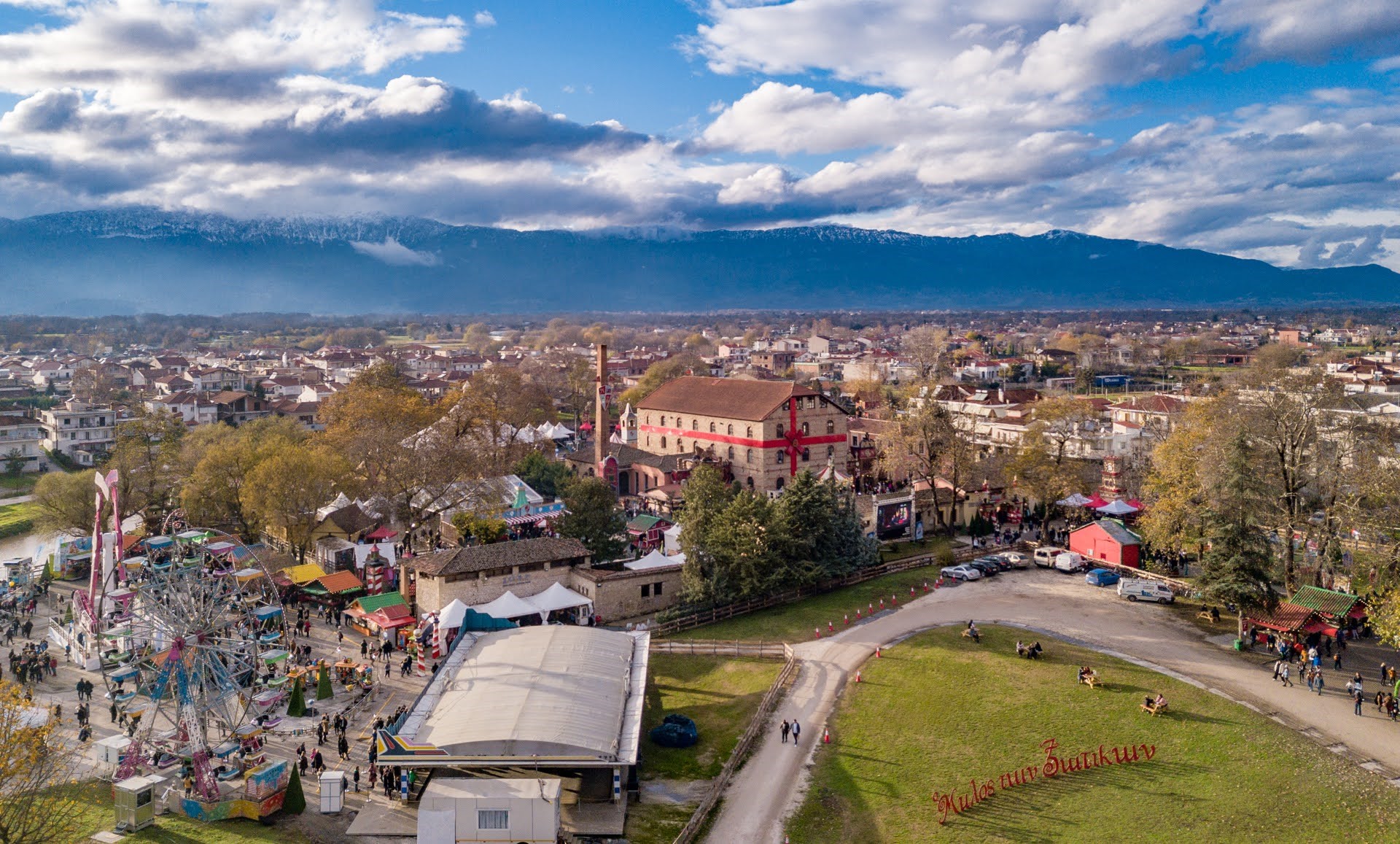
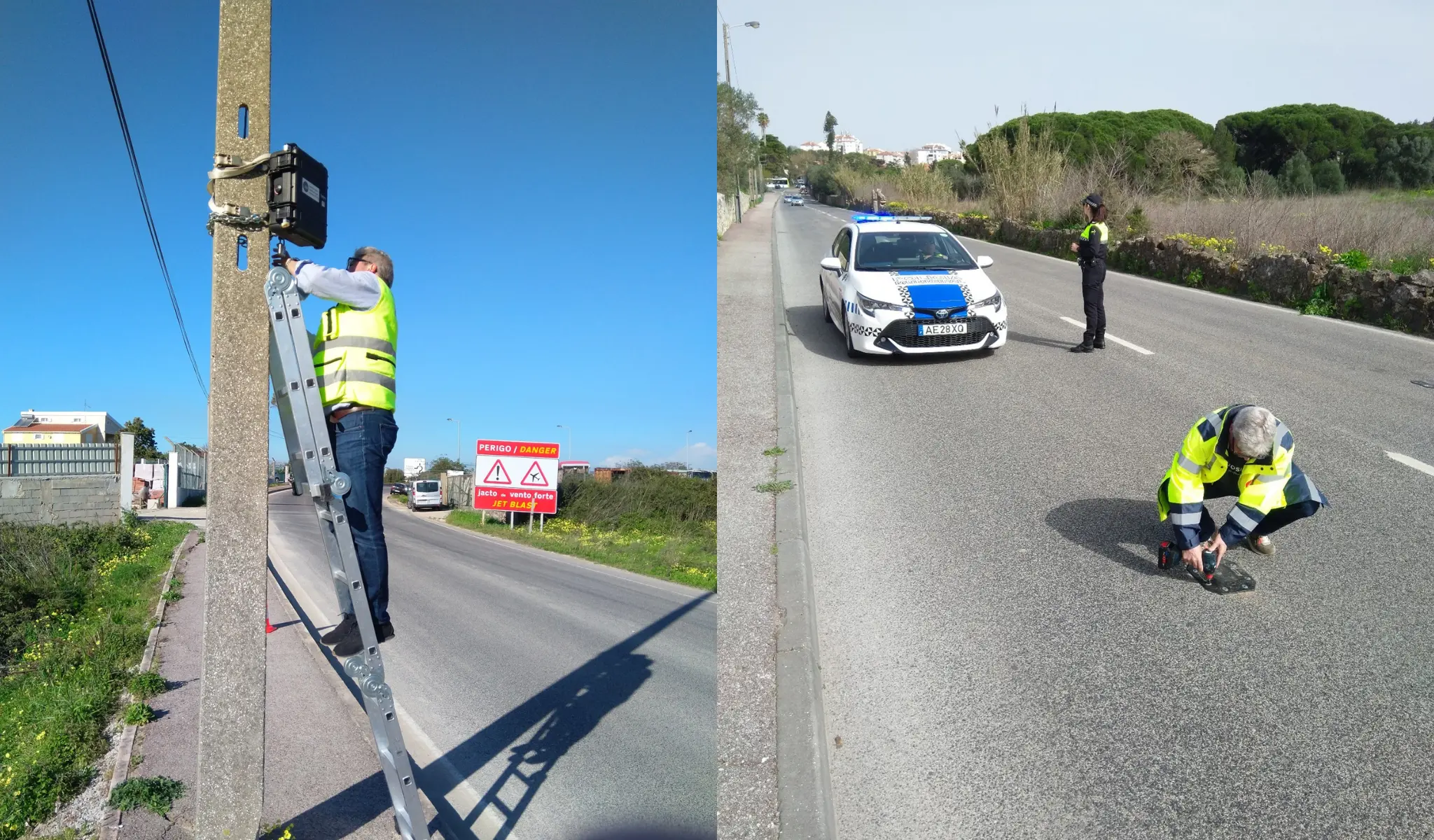
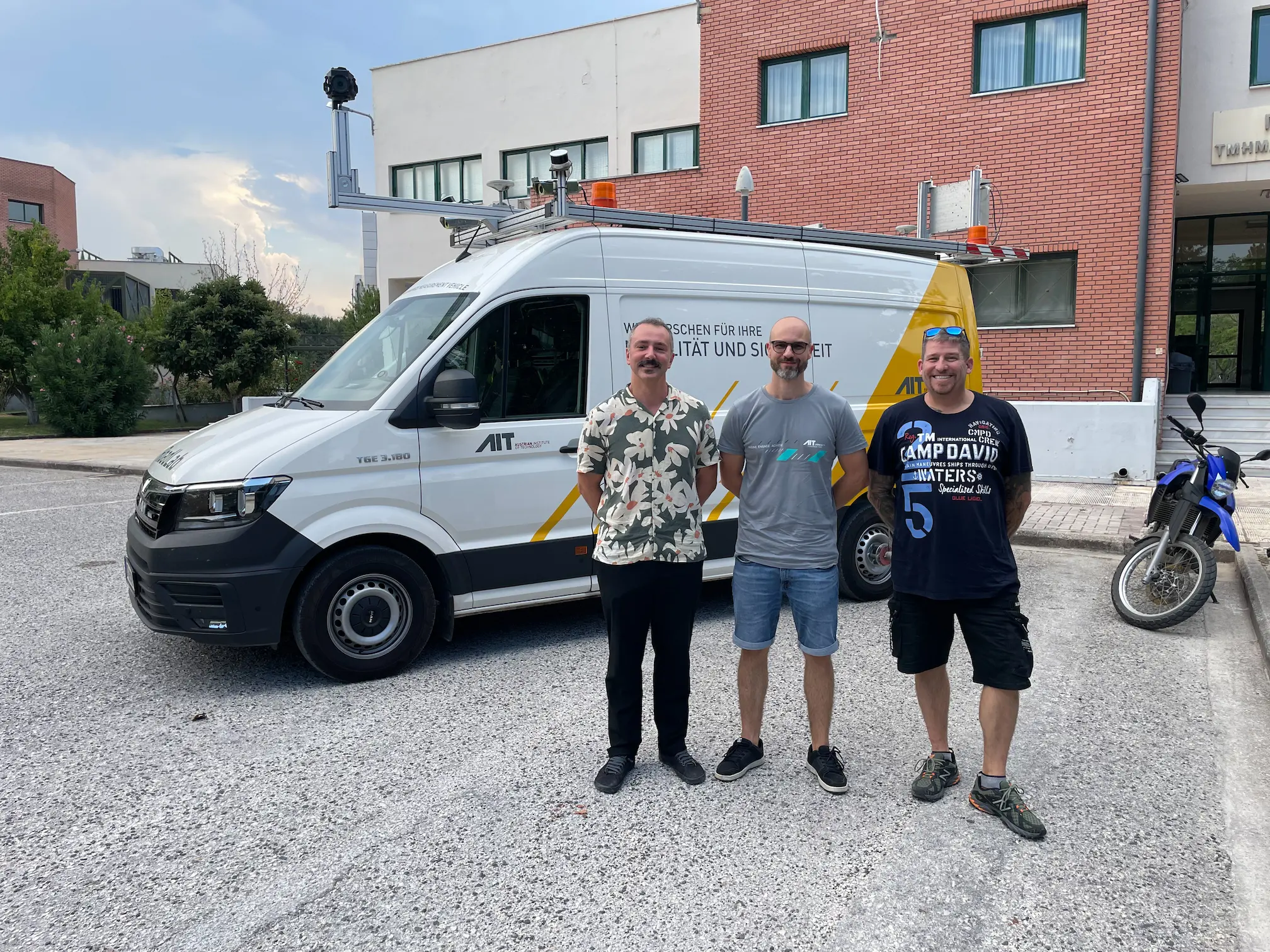
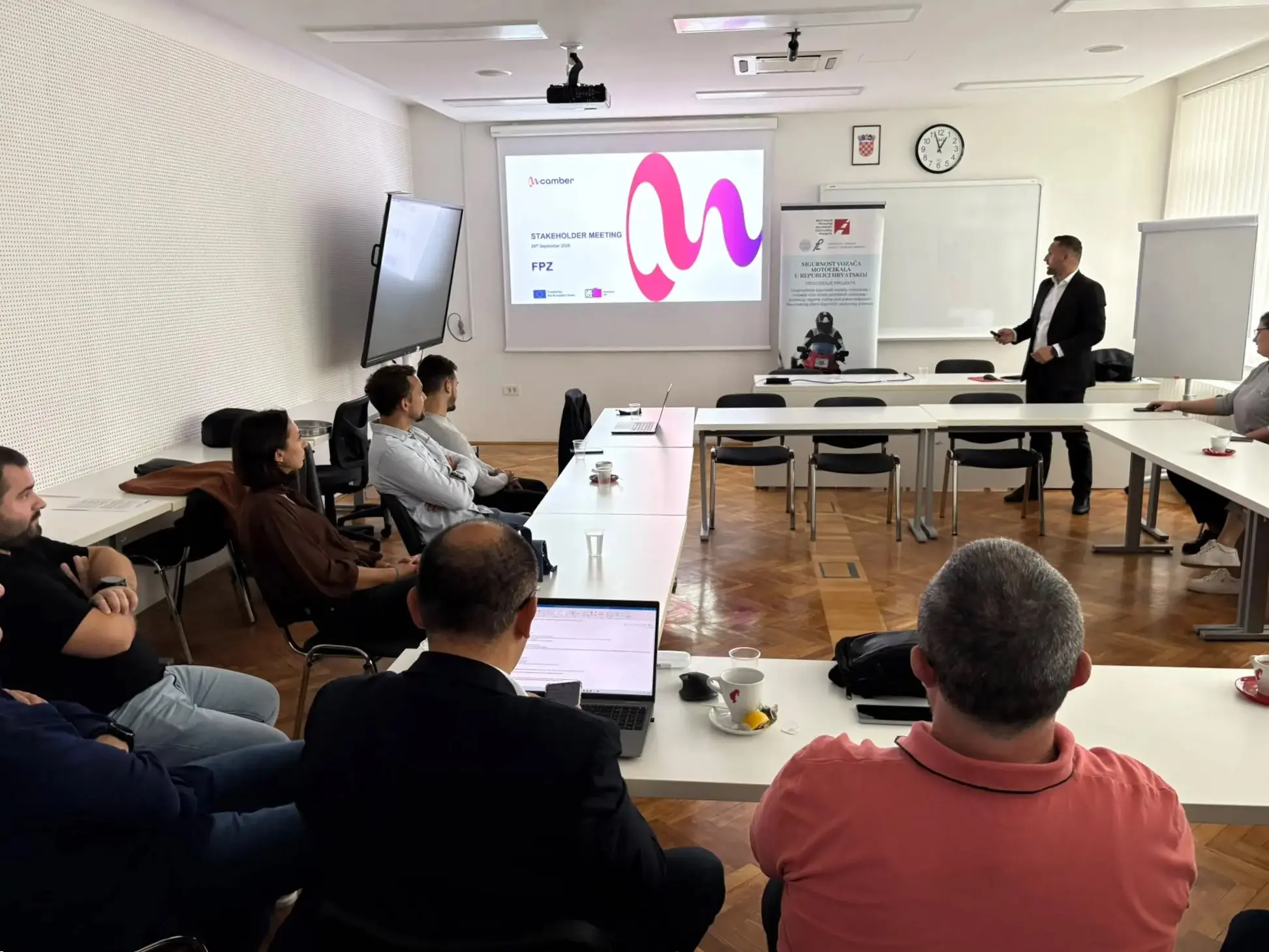
Updates from Cascais, Trikala, North Holland, Croatia and Spain provided a closer look at how this work is translating into activities on the ground. Partners shared the latest developments at each site and aligned on the upcoming phases of pilot testing, measurement, evaluation and cost-benefit analysis, connecting CAMBER’s technical solutions with real-world conditions and the practical needs of road authorities.

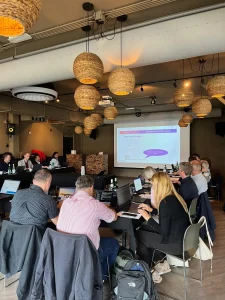
Communication, dissemination, stakeholder engagement and exploitation were also central to the discussions. Partners reviewed progress against project KPIs, explored opportunities for scientific outreach, discussed feedback from CAMBER’s expert panels and continued work on linking exploitation pathways to specific project results. The second day was dedicated to the Steering Committee and one-to-one collaboration sessions, creating space for more focused technical and organisational coordination.
With the first 18 months completed, CAMBER now moves into a phase where the foundations developed so far will increasingly be applied, tested and evaluated in real-world settings. The meeting in The Hague helped align the consortium for this next stage, bringing the project another step closer to delivering practical solutions for safer, smarter and more resilient urban and secondary roads across Europe.