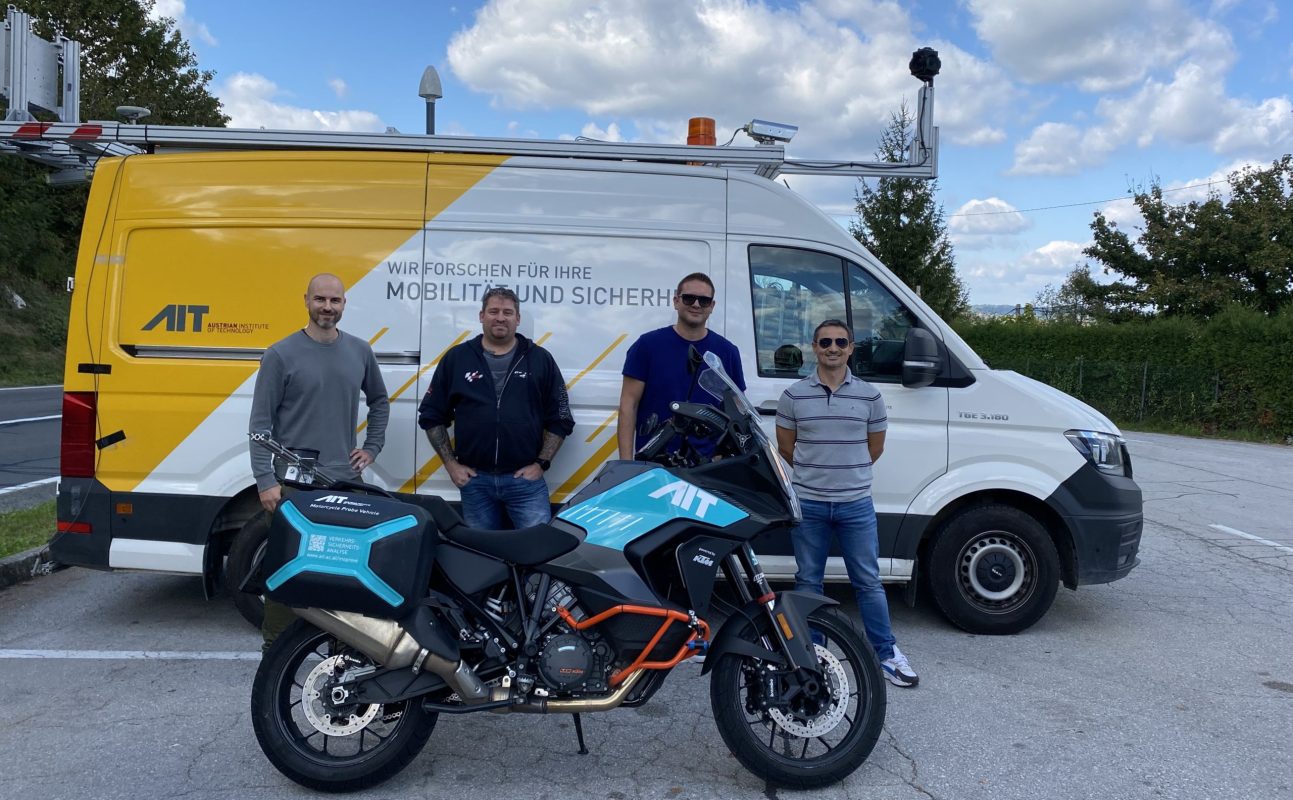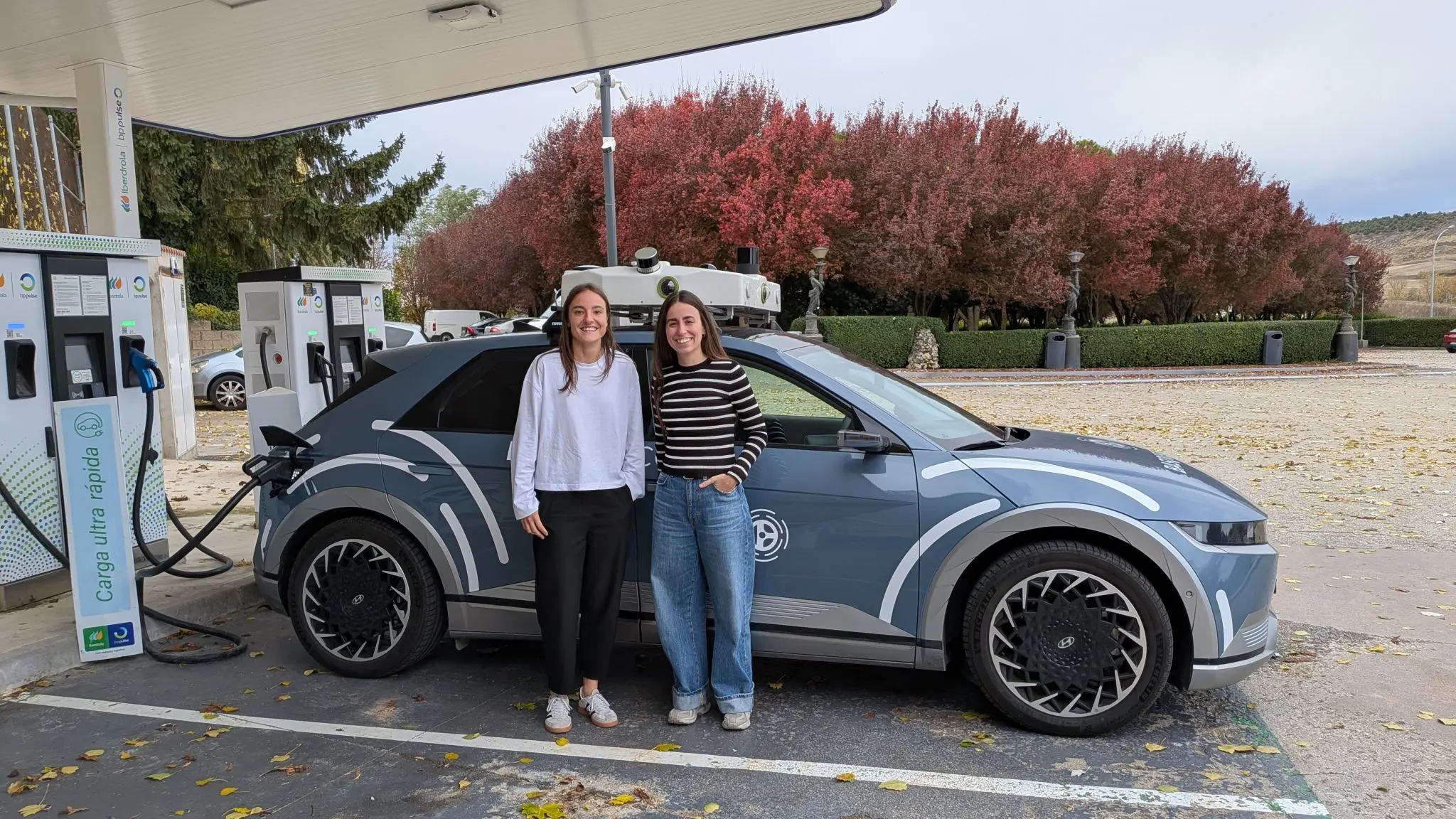
The Croatian pilot is making strong progress as the data-collection campaign continues across the selected test locations. The activities focus on gathering detailed information on road conditions and driver behaviour both before and after the implementation of planned measures, enabling a reliable comparison of their impact.
Baseline data collection at the first pilot location has now been successfully completed, while activities at the second location are currently ongoing. These efforts represent an important step toward understanding the current state of road infrastructure and driver interactions with the road environment.
Assessing road infrastructure and traffic conditions
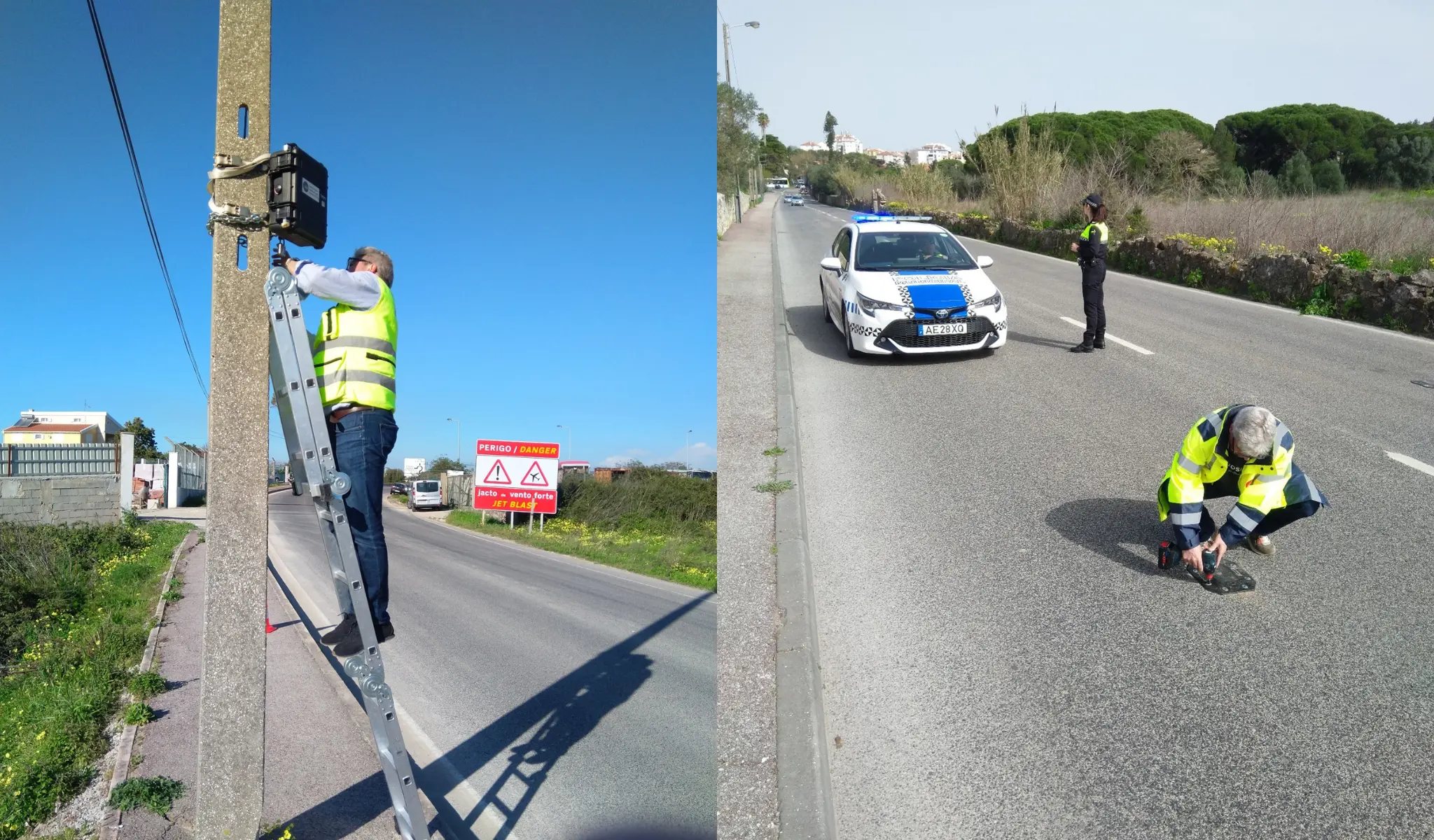
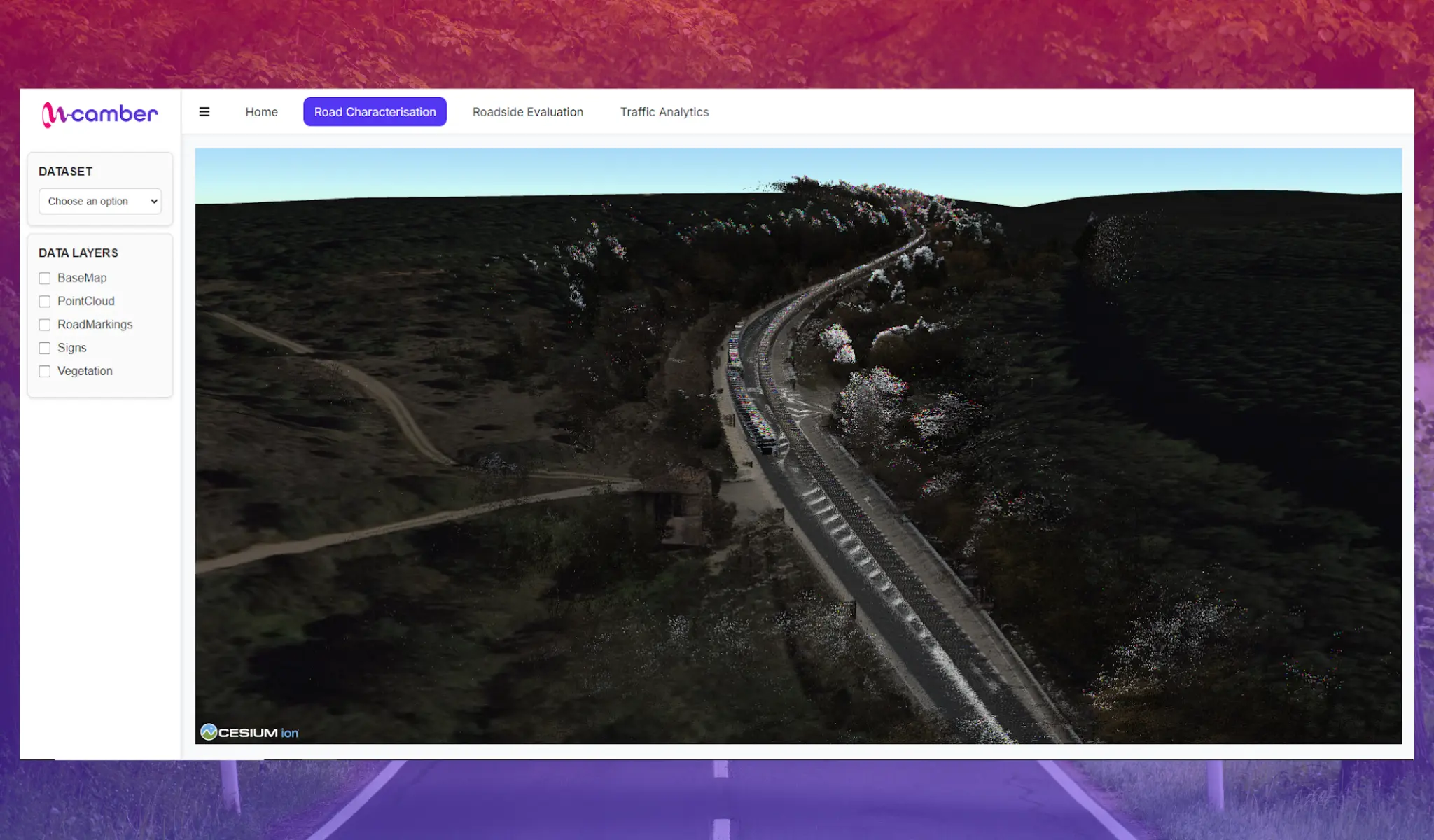
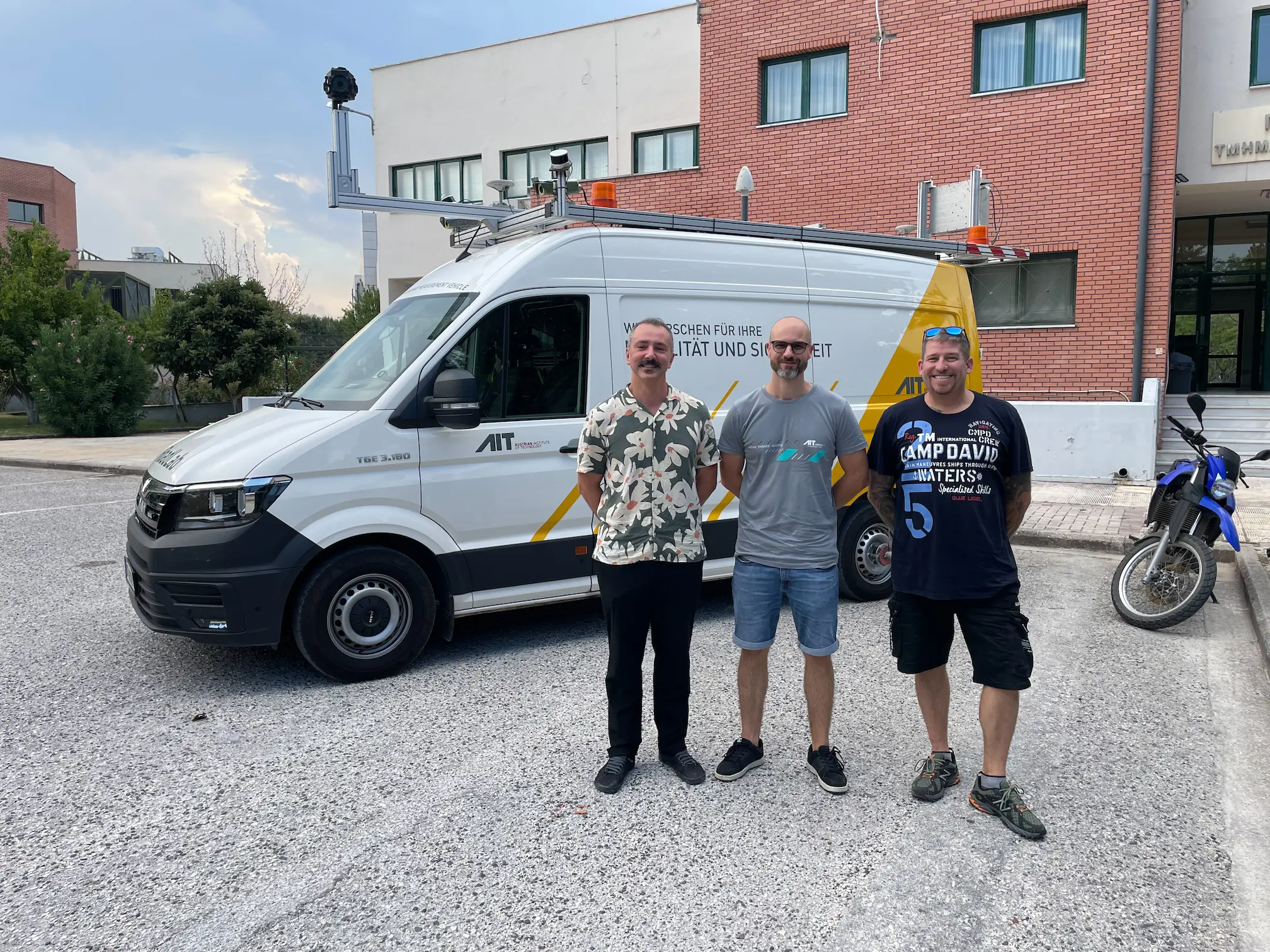
During the pilot activities, the project team collected a range of data describing the existing road conditions. This included assessments of traffic sign and road marking quality, pavement roughness, and traffic flow speeds. Such measurements provide essential input for the project’s analysis and will later support the evaluation of the effectiveness of the implemented safety measures.
Analysing driver perception with eye-tracking technology
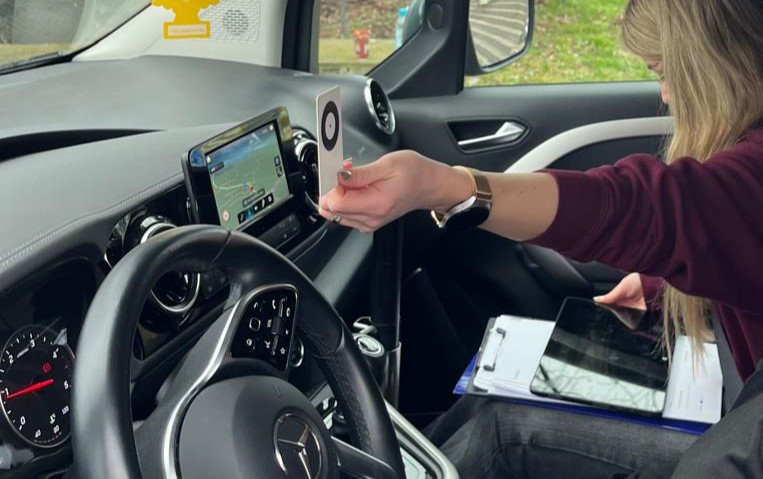
A significant part of the data collection involved the use of eye-tracking glasses, which allow researchers to analyse how drivers visually perceive and interact with the road environment while driving. In total, 30 drivers completed the test route using the eye-tracking equipment, providing valuable information on where drivers focus their attention and how they detect road signs, markings, and other elements of the traffic environment under current conditions.
Supporting the evaluation of future safety measures
The data collected during this phase will serve as a baseline dataset for the Croatian pilot. Once the planned measures are implemented, the same routes will be analysed again in order to compare driver behaviour, perception, and road conditions before and after the interventions.
These activities contribute to CAMBER’s overall objective of supporting data-driven road safety improvements and more efficient maintenance of secondary roads across Europe.