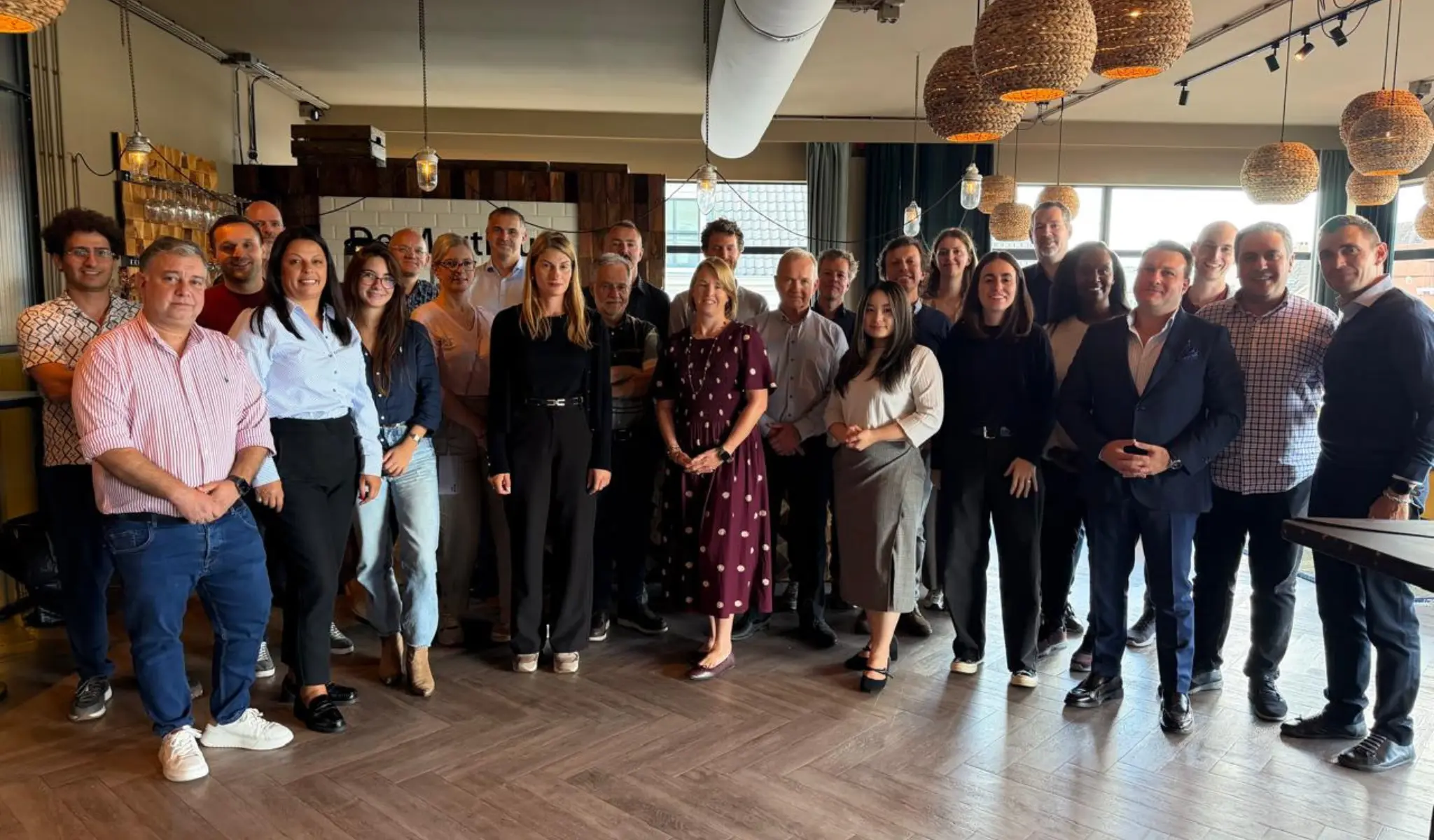
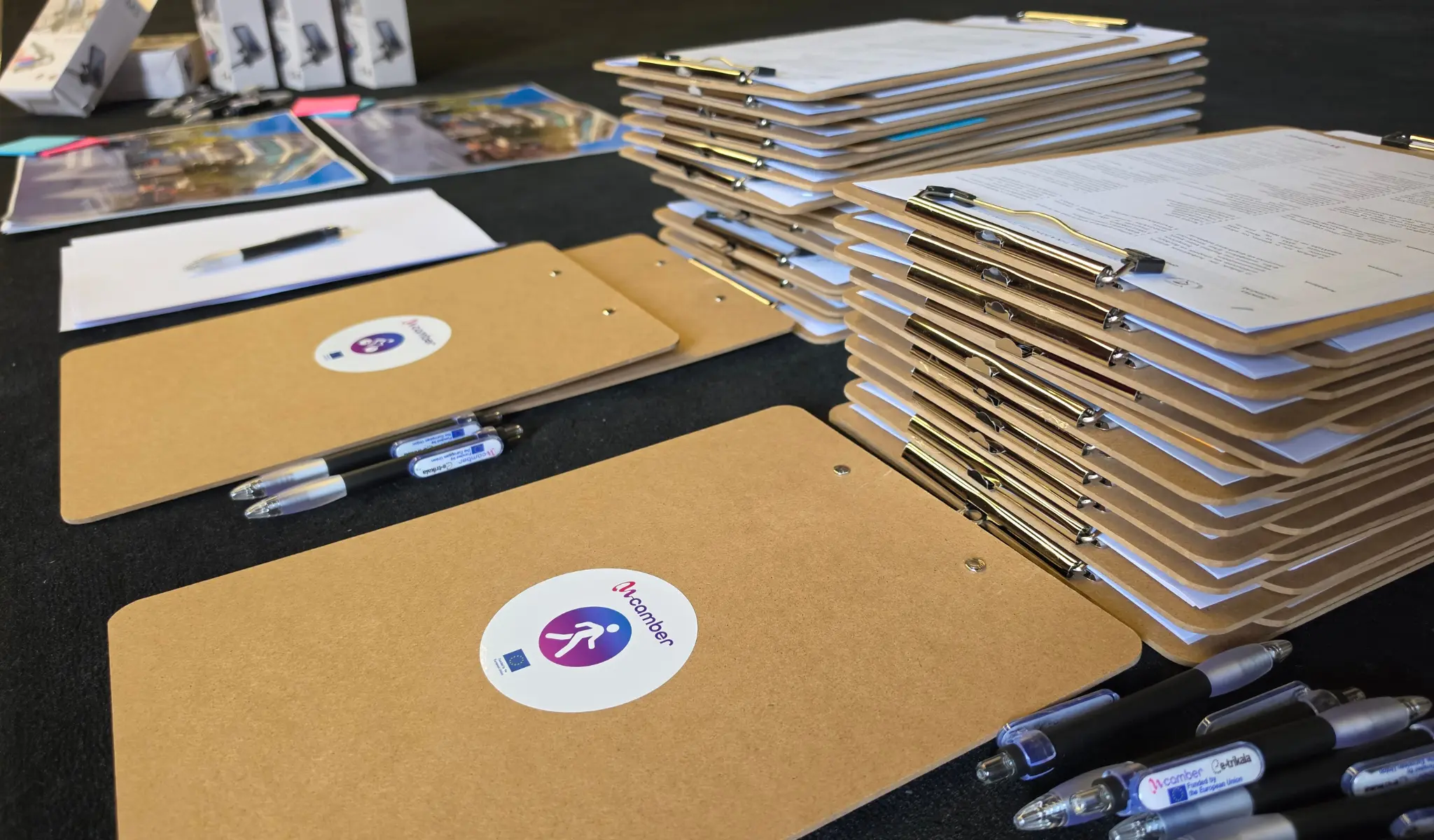
The CAMBER project has officially launched its stakeholder engagement activities in Trikala, Greece, with the successful organisation of the first of three planned stakeholder workshops for the Trikala Pilot. Held on 13 July 2026, the workshop marked an important milestone in establishing a local Community of Practice and implementing CAMBER’s participatory engagement strategy, bringing together citizens, local stakeholders and project partners to contribute to the development of integrated solutions for road asset and safety management in urban and secondary road networks being developed for Trikala.
The 1st Engaging Workshop was organised by the I-SENSE Group of the Institute of Communication and Computer Systems (ICCS), leader of the Trikala Pilot, in collaboration with e-Trikala. The workshop aimed to connect CAMBER’s innovative solutions and methodologies—including a mobile platform for road safety assessment of cycling infrastructure and bike lanes, digital twin modelling and simulation, and quality indicators —with citizens’ experiences and local knowledge. Through this process, the project seeks to ensure that collected data accurately reflects real conditions in Trikala’s streets and public spaces, while fostering dialogue, encouraging active participation and strengthening the connection between the CAMBER consortium and the local community.
The three stakeholder workshops planned throughout the pilot will provide a structured framework for continuous engagement, allowing local observations, needs and lived experiences to inform the project’s activities and outcomes directly.
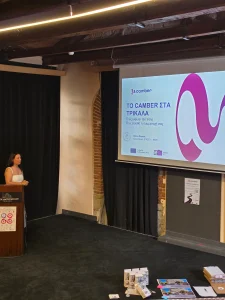
The event opened with welcoming remarks by Vasilena Mitsiadi (e-Trikala), who introduced participants to the workshop and emphasised the importance of citizen participation in creating safer and more resilient road infrastructure. This was followed by a presentation from Katia Paglé (ICCS), who introduced the CAMBER project and its vision of integrating road asset management and road safety through innovative technologies and data-driven methodologies. The presentation highlighted how digital twins, safety-integrated maintenance strategies, Advanced Driver Assistance Systems (ADAS), low-cost safety interventions and next-generation data will support more informed decision-making and enhance the management of urban and secondary road networks in Trikala and beyond.
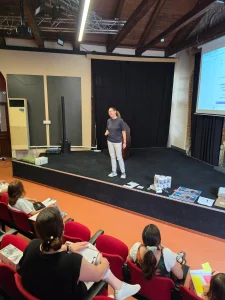
A key highlight of the workshop was its highly participatory format. Under the guidance of Pinelopi Alexiou (ICCS), participants were introduced to quality indicators for assessing public spaces before taking part in an interactive field exercise. Equipped with observation guidelines, they explored the pilot area in two groups on foot (exploratory walk) and by bicycle (exploratory cycling), generating citizen-sourced observations that complement the road safety, mobility and infrastructure analyses conducted for the Trikala Pilot.
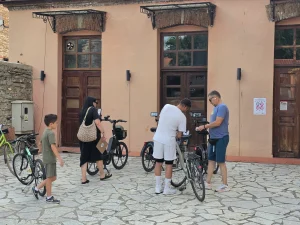
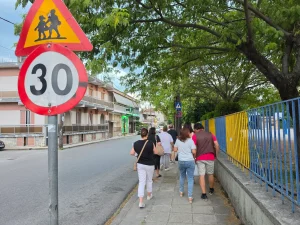
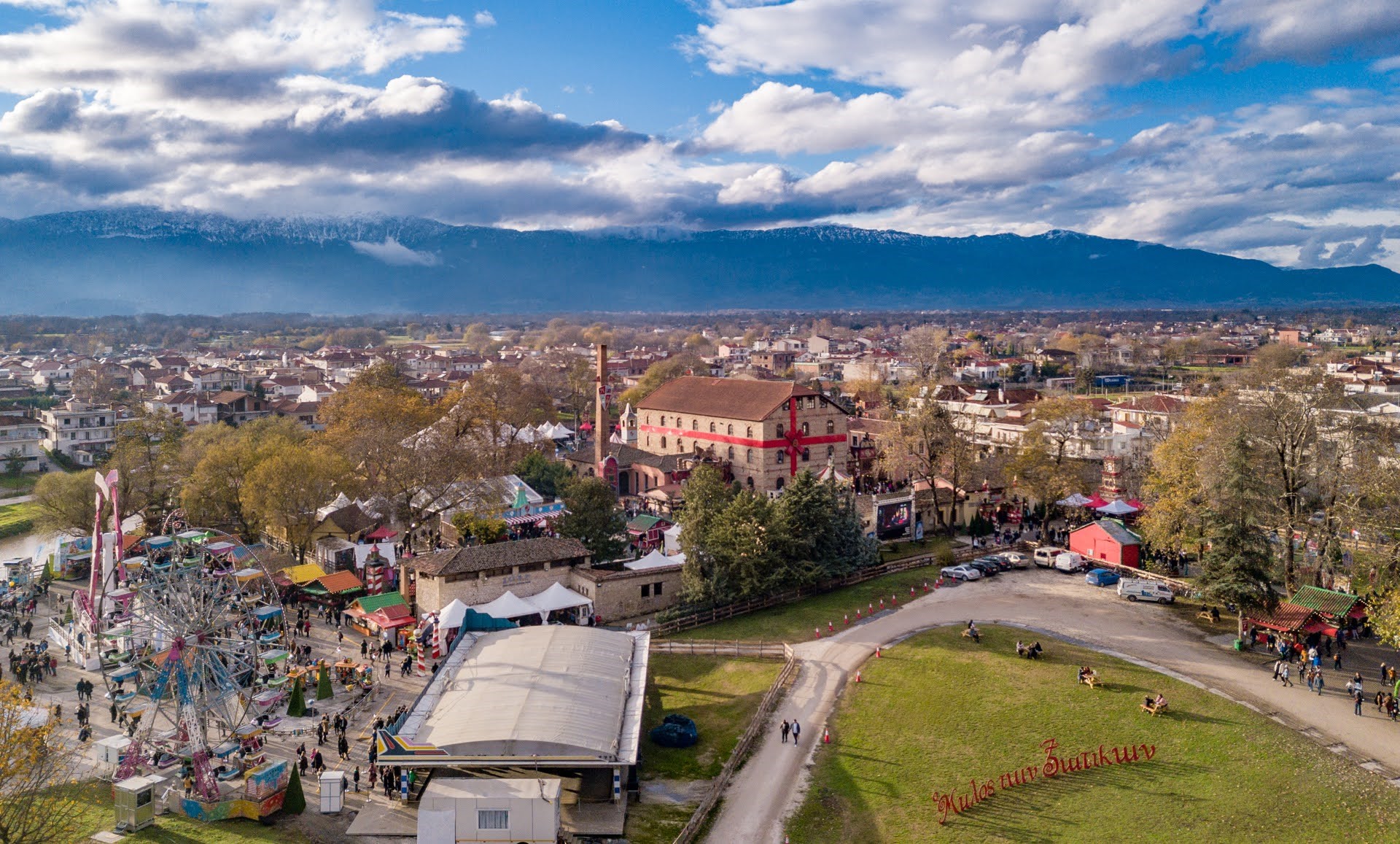
Following the field activity, participants returned to the Matsopoulos Mill, where they worked in groups to discuss their observations, identify challenges, and exchange ideas to improve public space safety and mobility conditions. The workshop concluded with short presentations from each group, providing valuable insights that will directly feed into the co-design of solutions within the Trikala Pilot. Closing remarks and an overview of the next steps were delivered by George Vallas (e-Trikala).
The feedback and observations collected during this first workshop will play an important role in validating CAMBER’s innovative approach to integrating road asset and safety management. By combining advanced digital technologies with local knowledge and stakeholder engagement, the project aims to deliver practical, scalable solutions that support safer, better-maintained and more resilient urban and secondary road networks across Europe.