The CAMBER project has reached another important milestone in the Cascais pilot with the successful completion of a dedicated traffic counting campaign aimed at strengthening the project’s data-driven approach to road safety and infrastructure management.
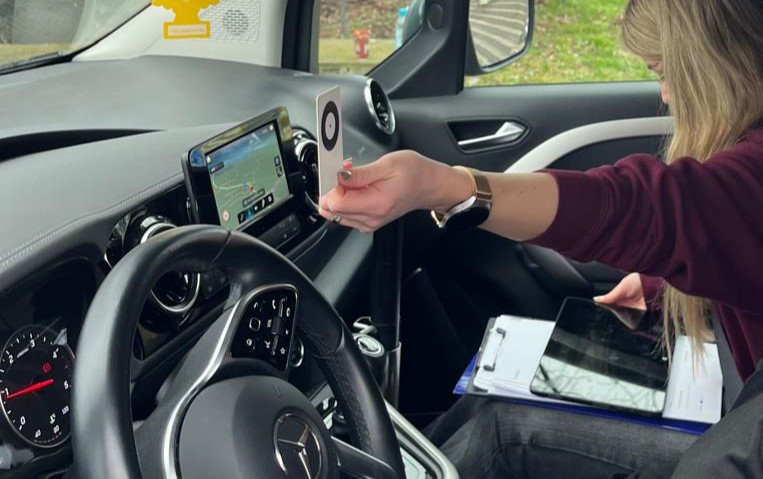
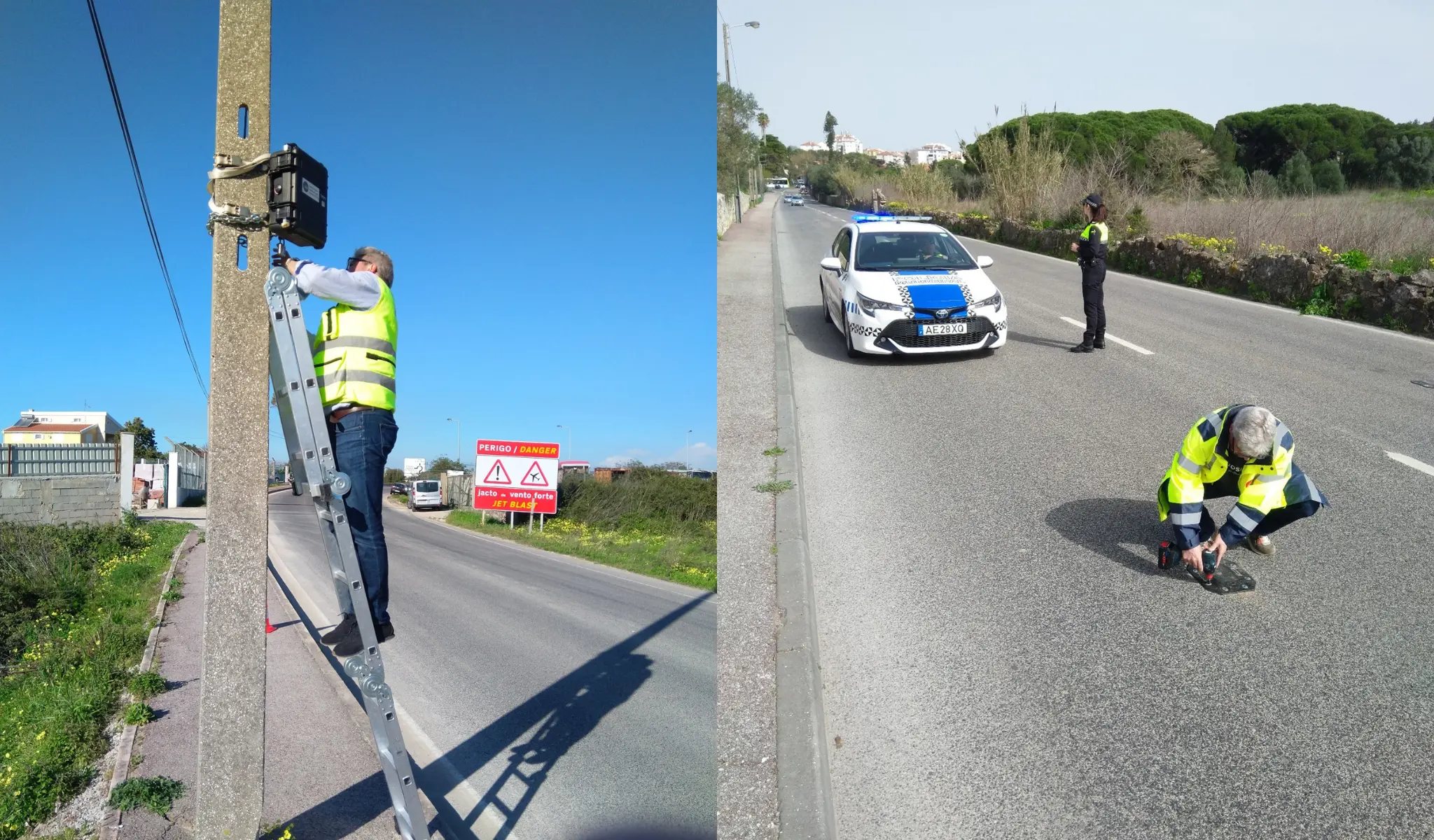
Conducted in May 2026 across selected road sections in the municipality of Cascais, the campaign focused on measuring traffic volumes and vehicle speeds using static automatic counters. Data was collected during both daytime observation periods and continuous 24-hour monitoring, providing a comprehensive picture of traffic patterns under different operating conditions.
The collected data will play a key role in supporting the calibration and validation of crowdsourced vehicle-sensing datasets, helping to ensure the accuracy and reliability of the information used within the project. It will also contribute to the estimation of Annual Average Daily Traffic (AADT) values, an important indicator for several CAMBER pilot demonstrations and safety assessments.
By combining traditional traffic monitoring techniques with innovative data sources, the Cascais pilot is helping to build a more robust understanding of how roads are used and where safety improvements can have the greatest impact.
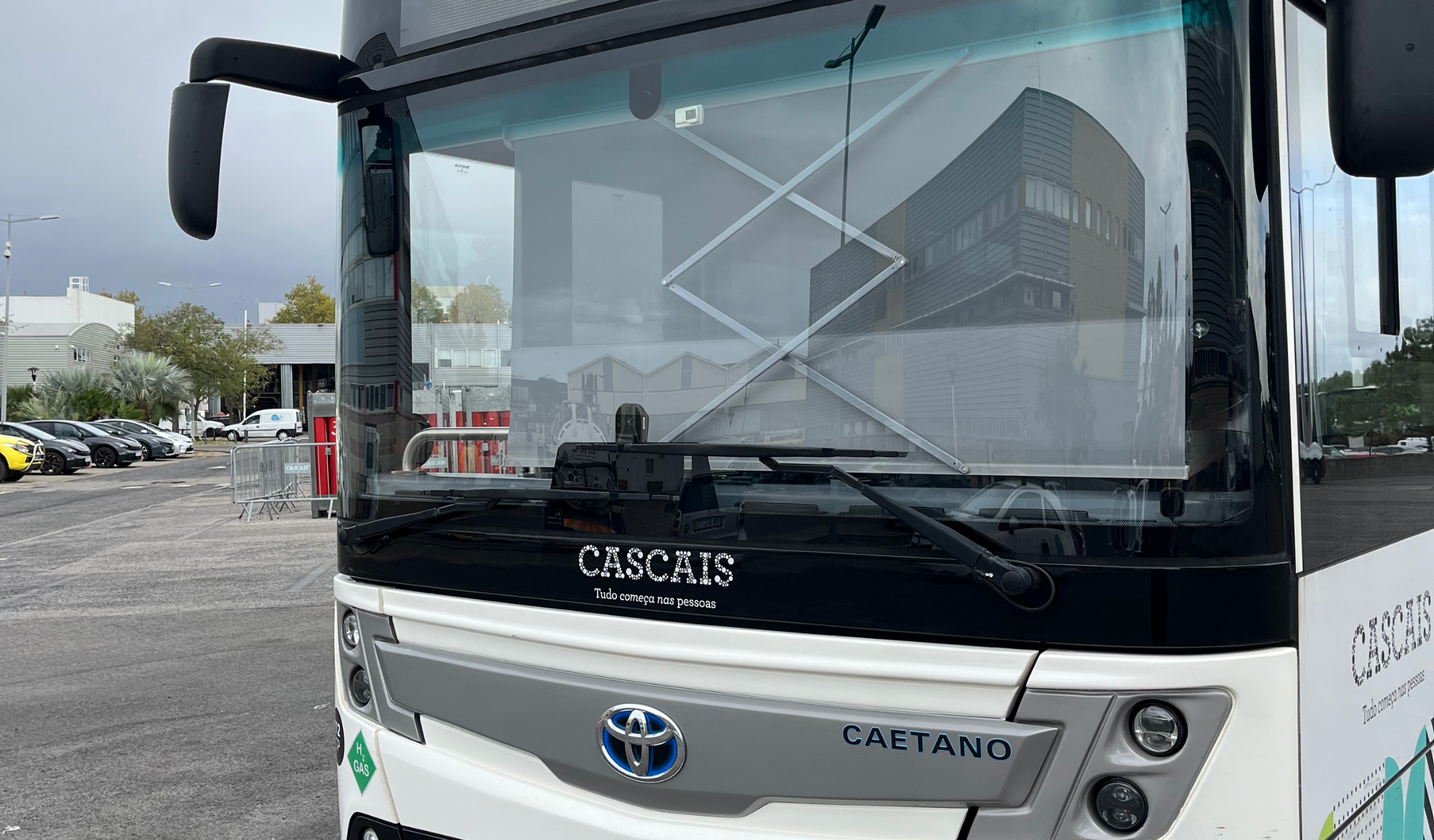
This latest campaign builds on earlier pilot activities, including the installation of Mobileye devices on four hydrogen-powered buses operated by Cascais Próxima. Together, these complementary data collection efforts are creating a rich evidence base that will support the development of innovative safety assessment methods, with particular attention to vulnerable road users.
The traffic measurements are currently being processed and validated to ensure consistency and suitability for further analysis. Once integrated with other data sources collected in the pilot, the results will contribute to the development of CAMBER’s data-driven tools for safer and more efficient road management.
As activities continue across the Portuguese pilot, CAMBER remains committed to demonstrating how innovative technologies and high-quality data can support safer, smarter and more sustainable road infrastructure across Europe.