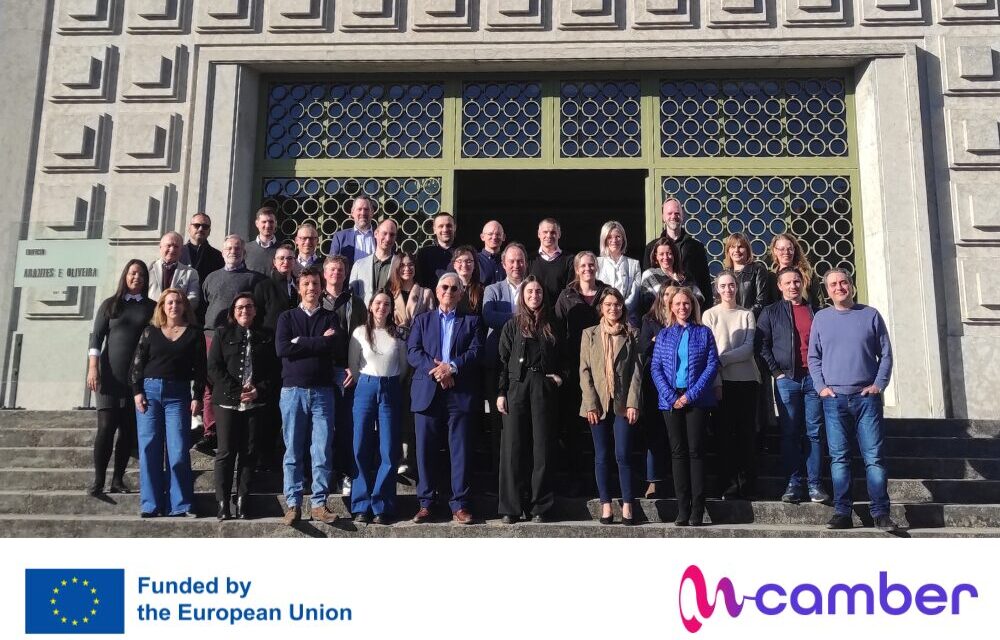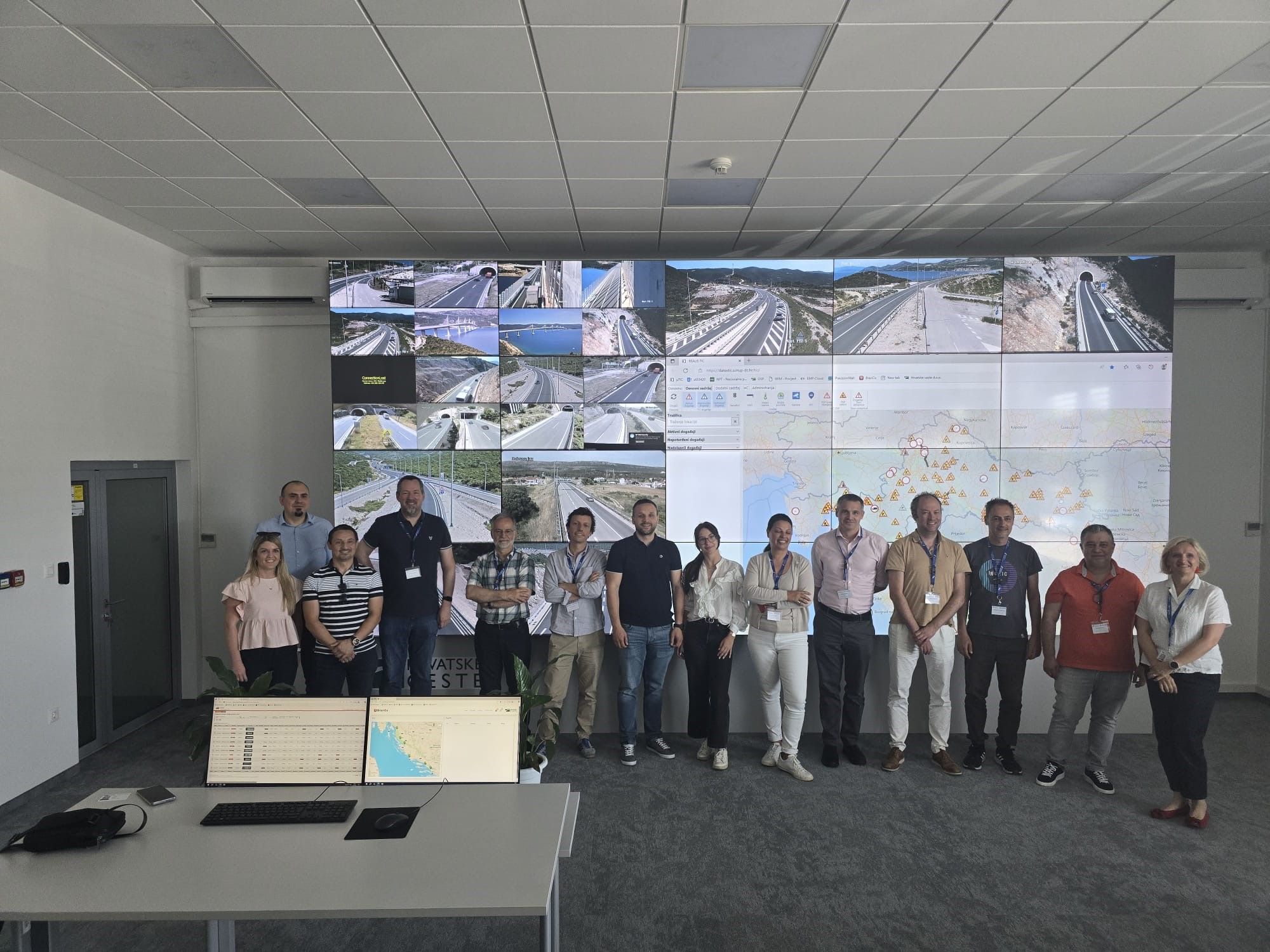

CAMBER has officially taken over the leadership of the EU Road Safety Cluster, marking a new chapter in the collaboration between European research and innovation projects working towards safer, smarter and more sustainable mobility.
After joining the Cluster in December 2025, CAMBER has played an active role in fostering knowledge exchange and promoting data-driven approaches to road safety. As of July 2026, the project is coordinating the Cluster’s activities, building on the work previously led by POLIS and the PHOEBE project, reinforcing cooperation across the European road safety research community.
A collaborative platform for road safety innovation
The EU Road Safety Cluster brings together 12 EU-funded projects addressing key challenges in road safety, cooperative, connected and automated mobility, vulnerable road user protection, and digital infrastructure management. By encouraging collaboration between complementary initiatives, the Cluster helps maximise the impact of European research, accelerate knowledge transfer and support the uptake of innovative solutions by policymakers, road authorities and industry.
As Cluster lead, CAMBER will facilitate collaboration between member projects, coordinate joint communication and dissemination activities, and support the development of shared initiatives that advance road safety research and innovation across Europe.
Moreover, it will help strengthen the collective voice of European road safety research, promoting closer alignment between innovation, policy and implementation. By fostering collaboration across complementary projects, the Cluster aims to ensure that research outcomes effectively support the EU Road Safety Policy Framework 2021-2030 and contribute to achieving the long-term Vision Zero ambition.
Driving collaboration through shared knowledge
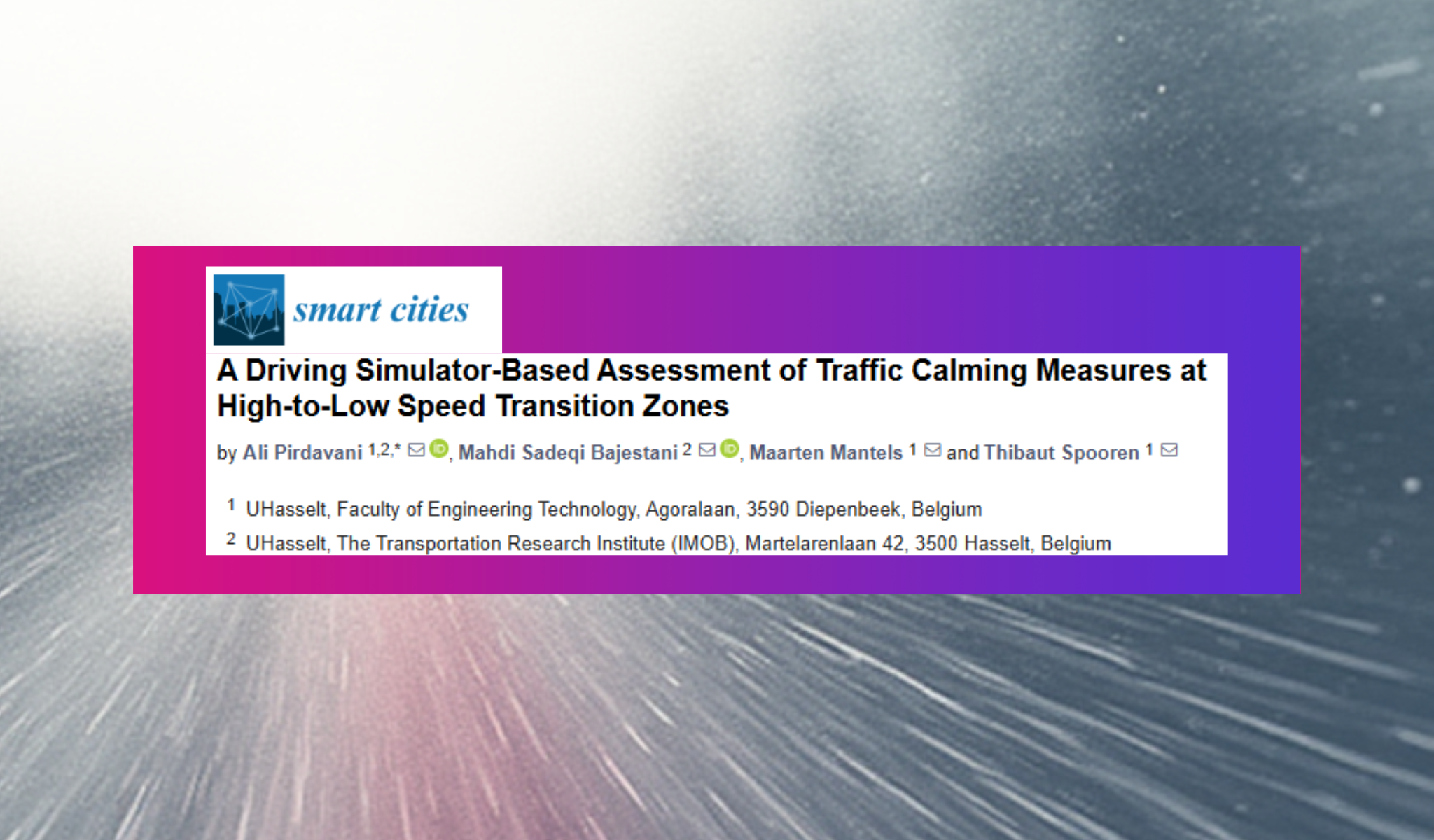
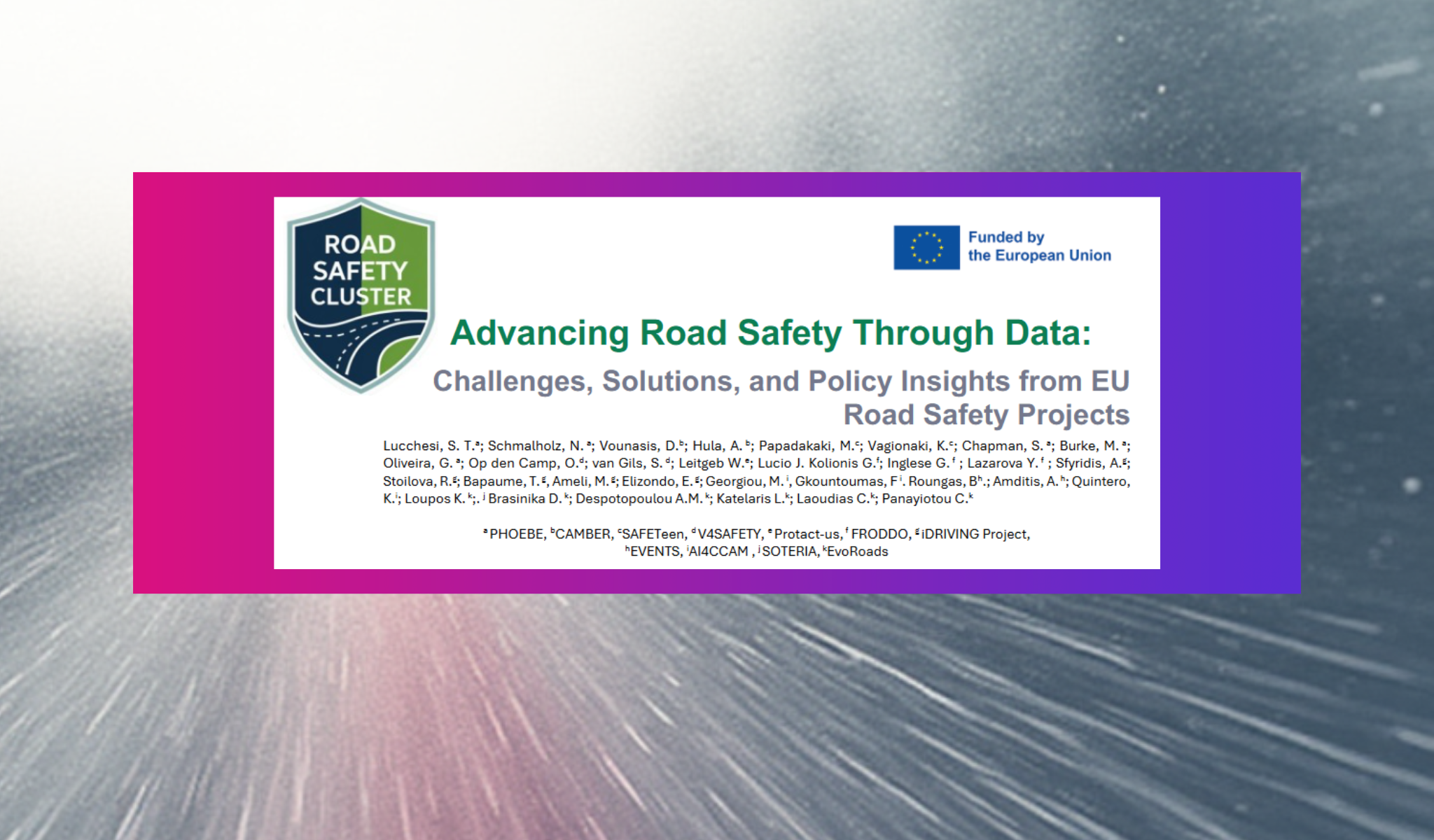
One of the first major achievements of the Cluster this year was the publication of the joint white paper “Advancing Road Safety Through Data: Challenges, Solutions, and Policy Insights from EU Road Safety Projects” released in February 2026.
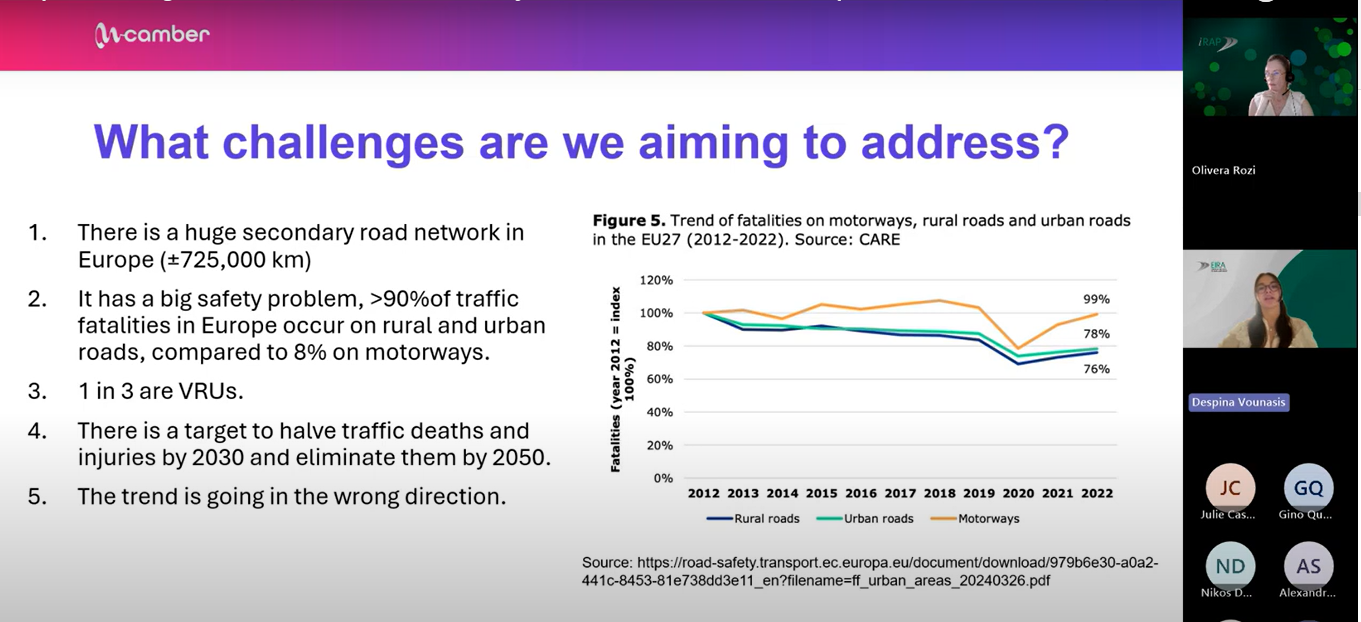
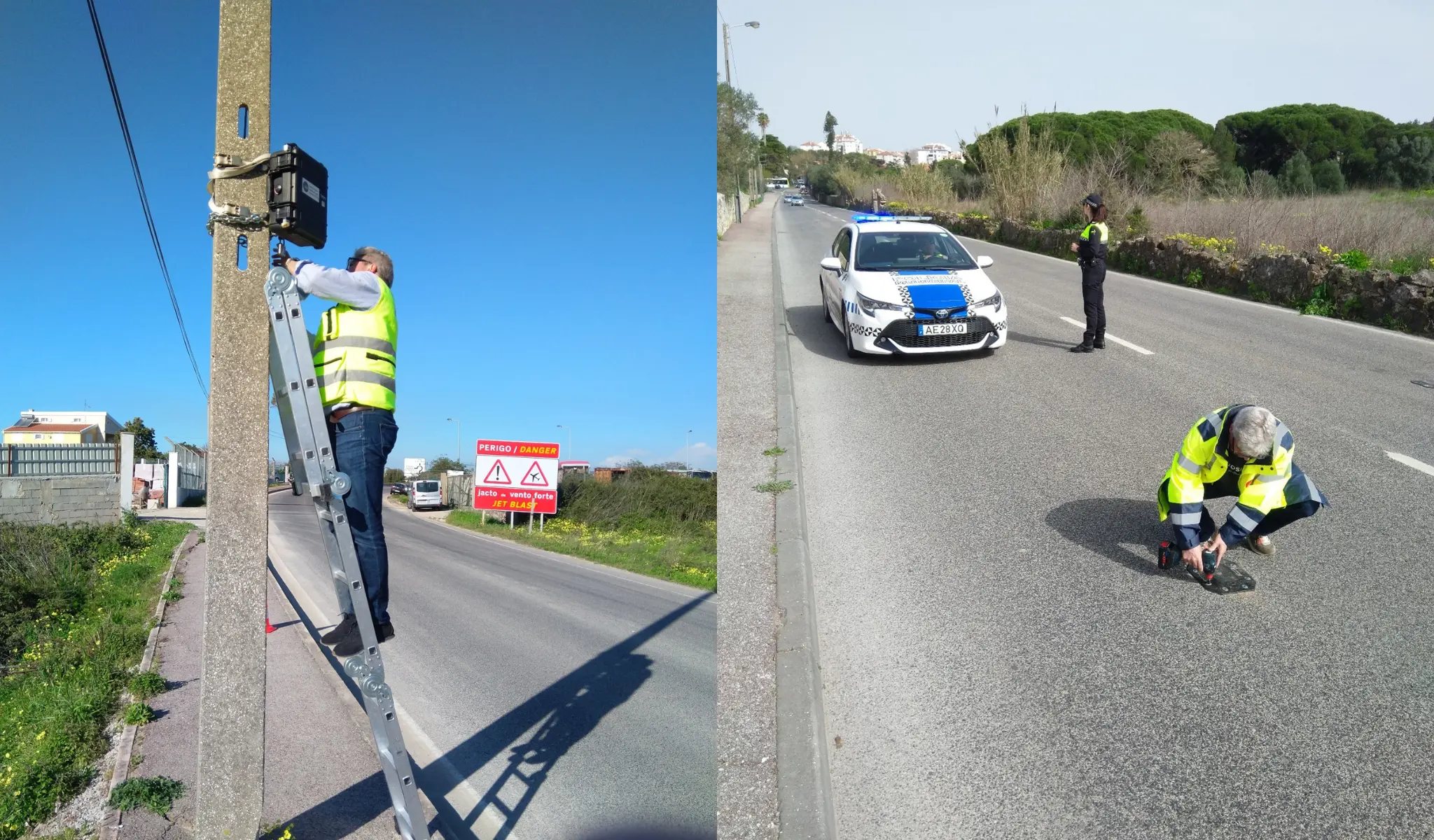
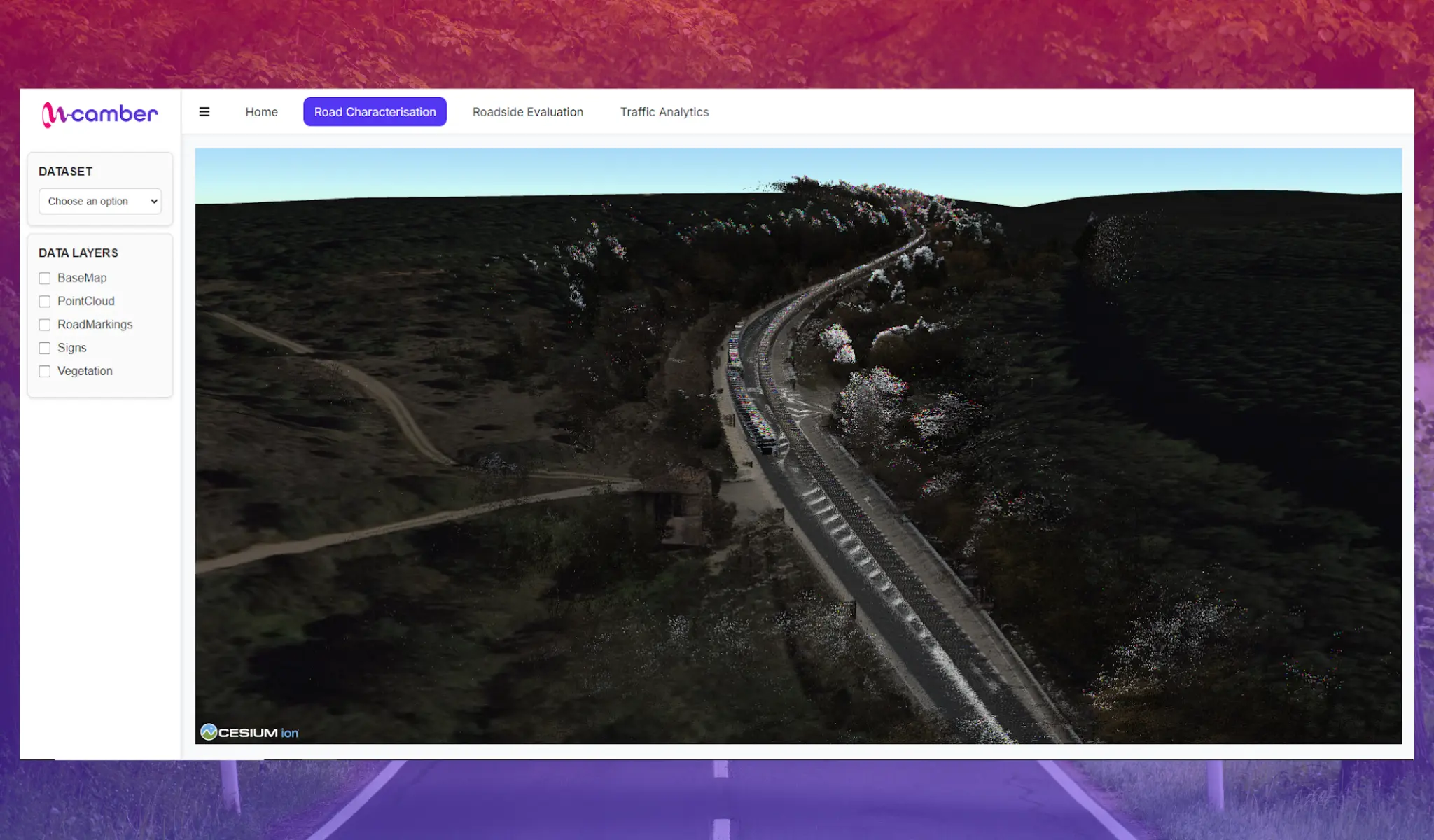
CAMBER contributed to the publication by sharing its expertise in secondary road safety, integrated safety and maintenance management, new-generation data sources and Digital Twin technologies, demonstrating how these innovations can support road authorities in making smarter, more proactive infrastructure decisions.