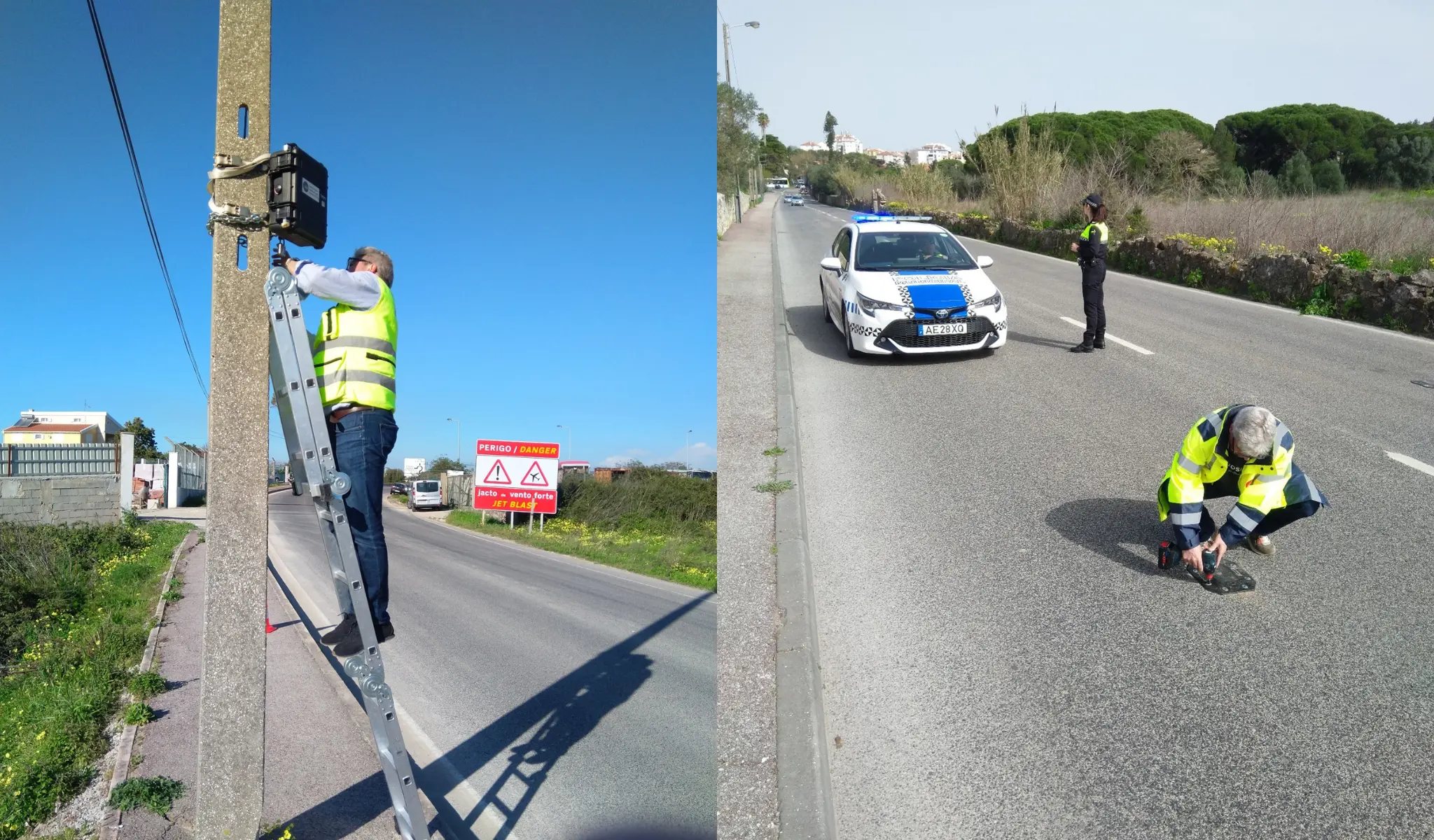
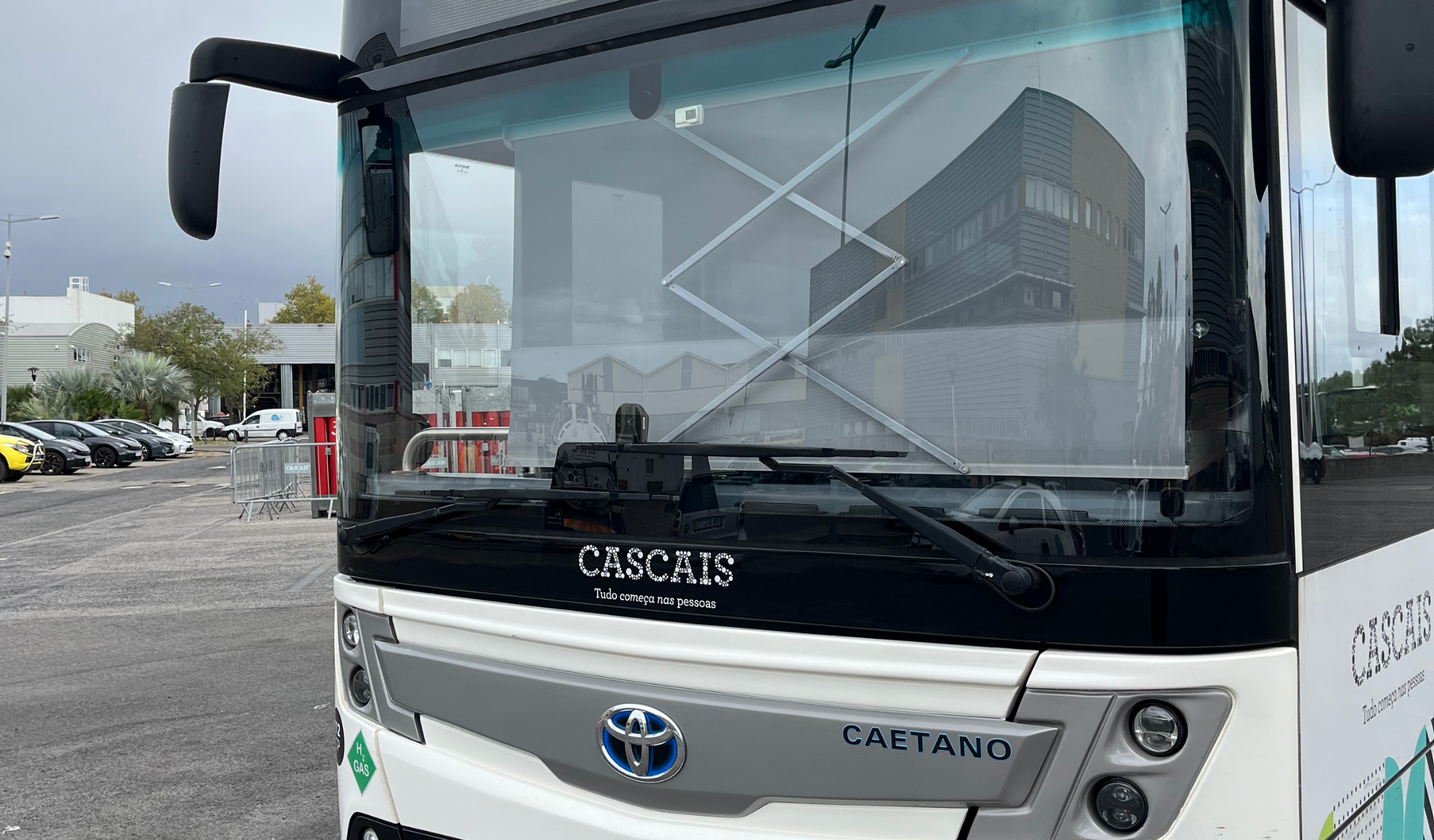
The CAMBER project has made important progress in Portugal with the completion of the installation of Mobileye devices on four hydrogen-powered buses operated by Cascais Próxima. These buses serve public transport lines 38 and 43 in the municipality of Cascais and will play a central role in the Portuguese pilot activities.
Using real-world operations to improve road safety
Throughout daily service along urban routes, the Mobileye-equipped buses will continuously collect data related to road conditions, traffic interactions and safety-relevant events. This real-world data will support the Cascais pilot in developing and testing new methods for assessing safety levels, with a focus on vulnerable road users (VRUs) such as pedestrians and cyclists.
As part of CAMBER’s broader mission, the Portuguese pilot contributes to building practical, data-driven tools that help cities better understand safety risks and design more effective, proactive interventions.
Hydrogen buses as a platform for innovation
By integrating the sensing devices into hydrogen-powered buses – already an environmentally friendly mobility solution – the pilot combines sustainability with advanced safety technology, demonstrating how public transport fleets can contribute to next-generation road safety analysis.
More updates from the Portuguese pilot will follow as data collection progresses and results emerge.