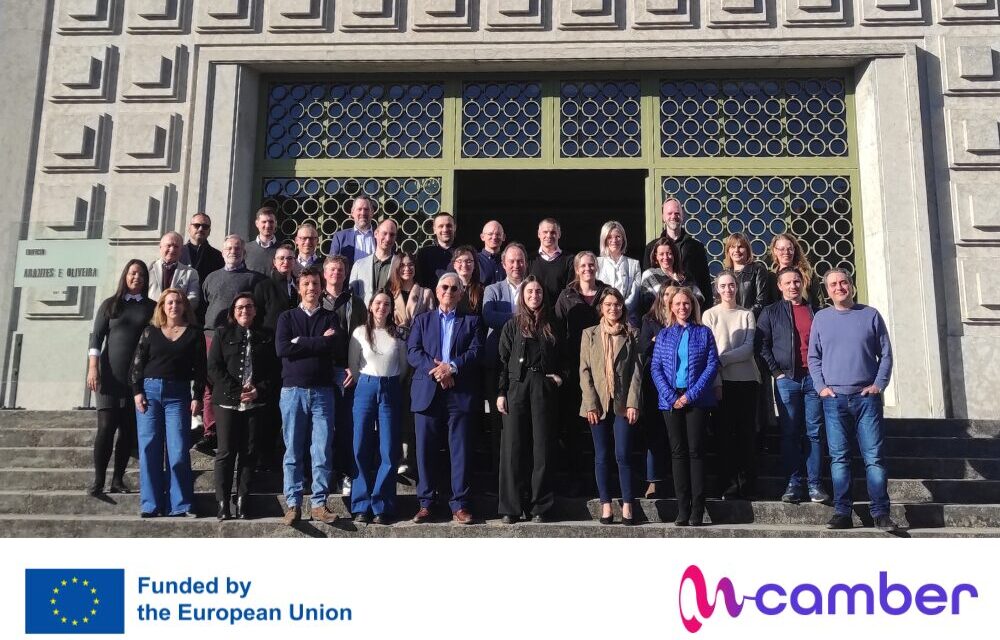
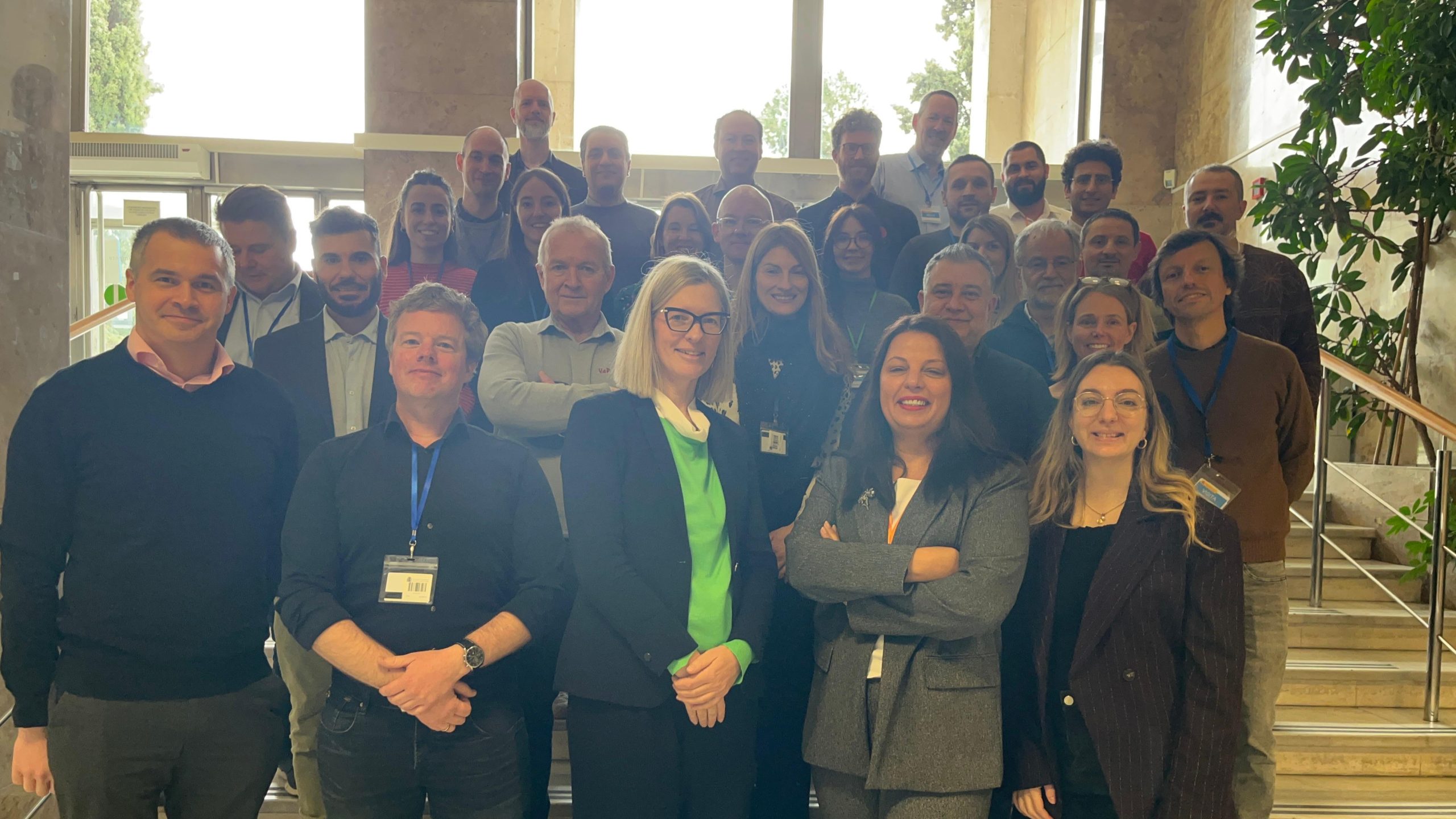
On 27–28 January 2026, CAMBER partners came together in Madrid for two days of focused discussions, alignment and collaboration as the project moves further into its 2nd year. Beyond the technical agenda, the meeting provided a valuable opportunity to reconnect in person, exchange ideas and strengthen cooperation across the consortium.
Hosted by the Ministerio de Transportes y Movilidad Sostenible, the General Assembly marked an important milestone: Work Package 2 (Methodological and Technical Approach) has officially concluded, establishing the theoretical foundations, evaluation framework and technical specifications that guide the project.
With the groundwork complete, CAMBER is now fully transitioning into technical development, Digital Twin creation and pilot deployment.
Digital Twins and safety solutions move forward
Partners advanced discussions on:
-
Testing and validating shortlisted low-cost safety interventions
-
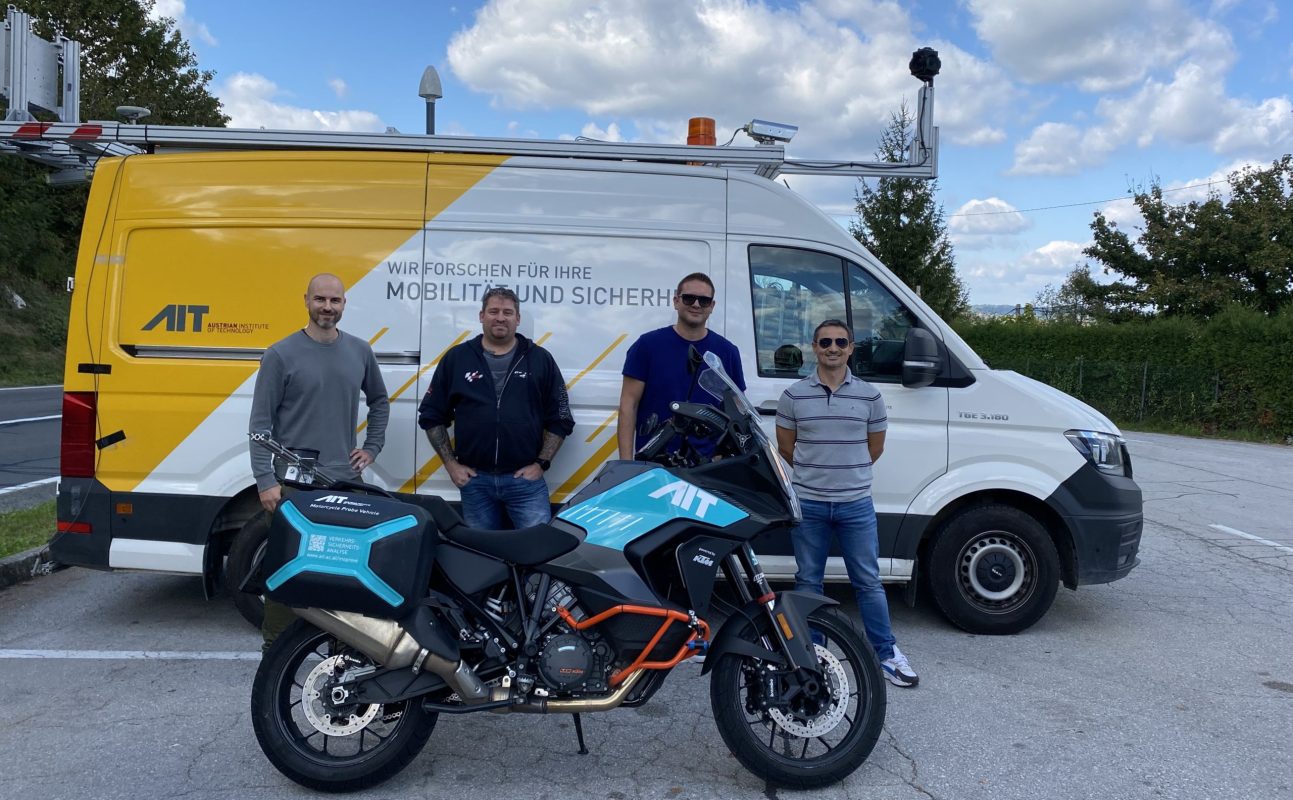
Assessing ADAS performance on secondary roads
-
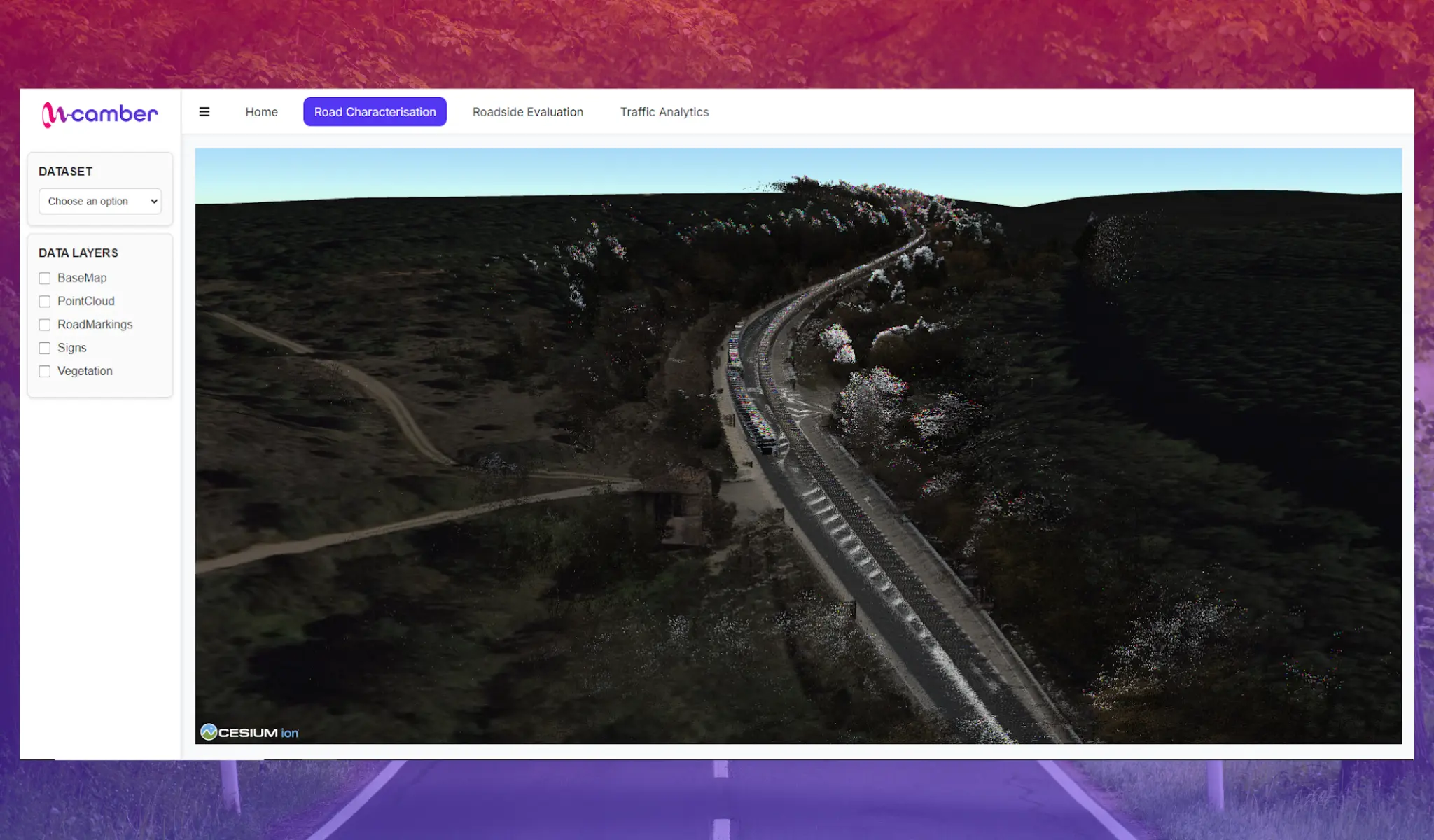
Developing Digital Twins in all pilots
-
Integrating new-generation data sources into safety and asset management systems
Close coordination between the Work Packages of data collection, technical development and pilot testing is ensuring that evaluation methods and performance indicators remain harmonised across all pilot sites.
Advancing implementation at pilot level
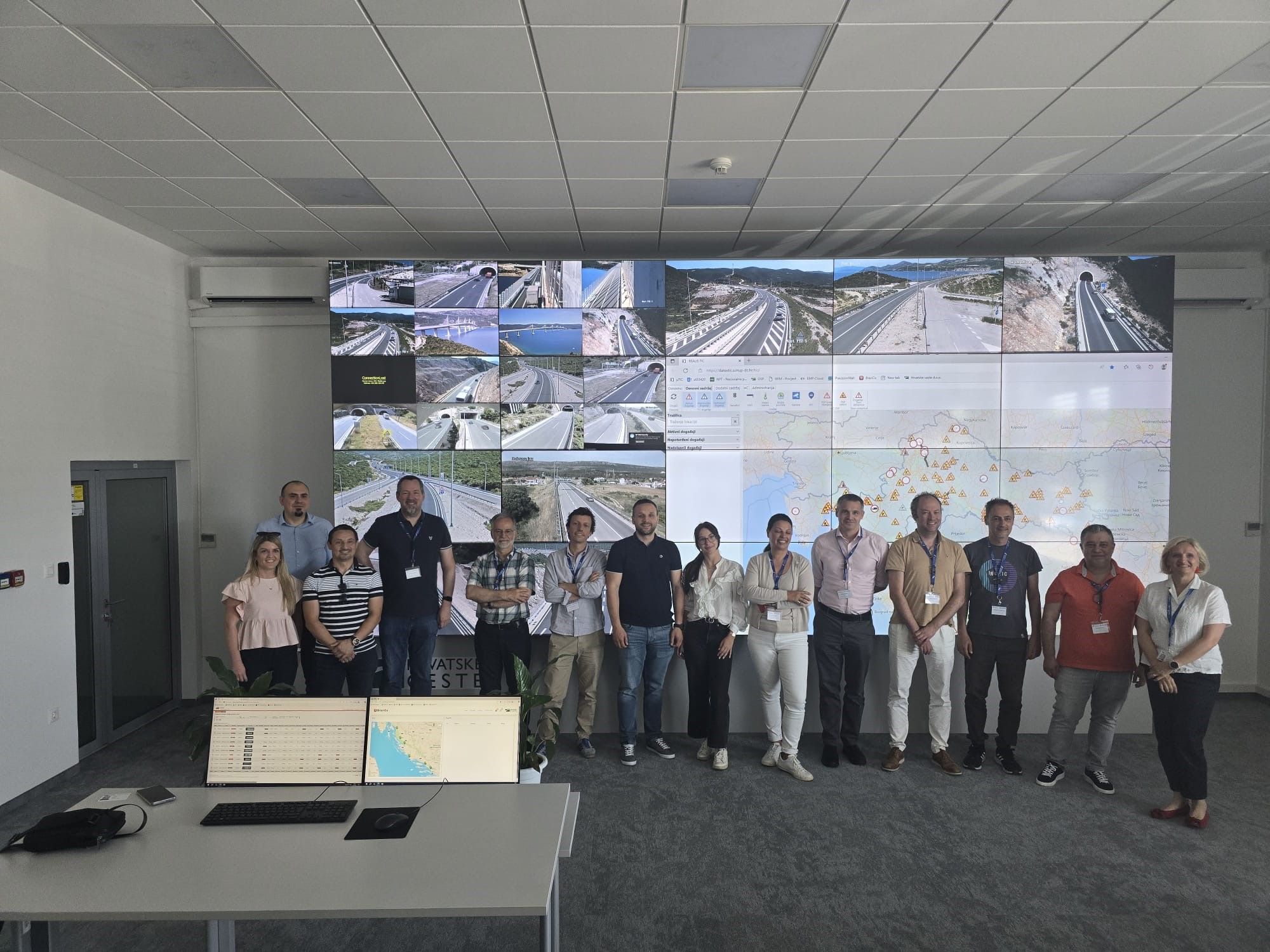
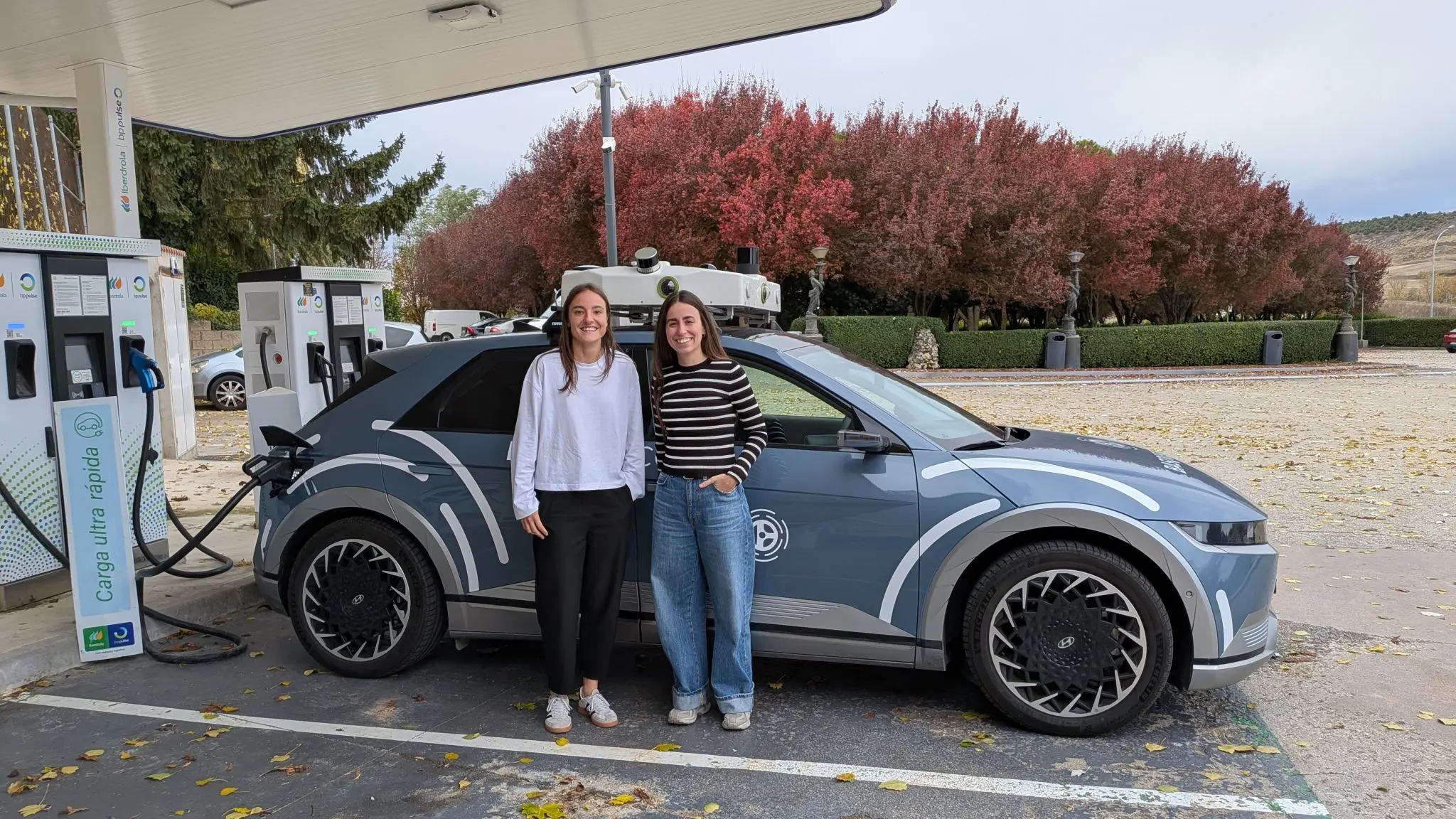
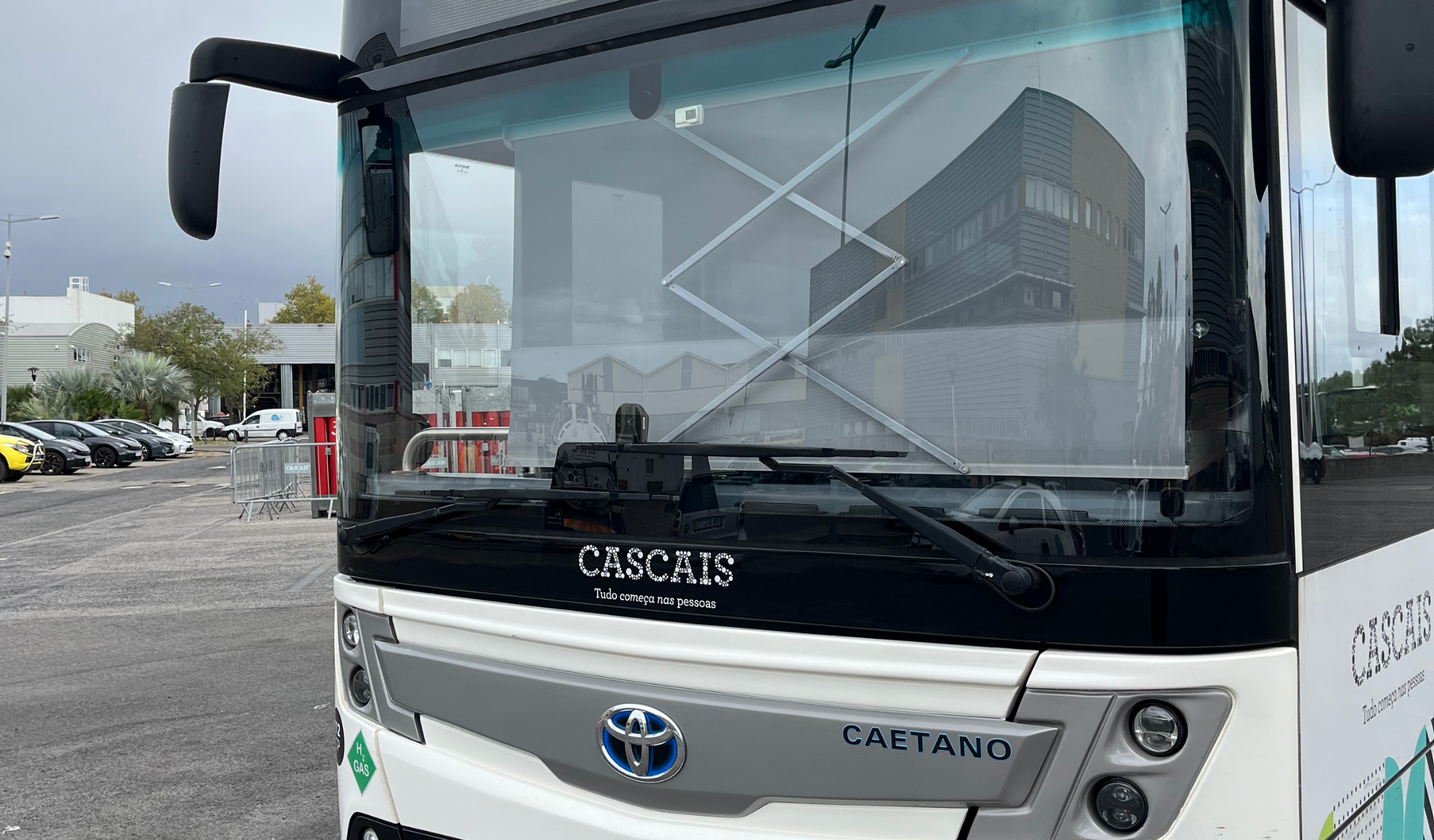
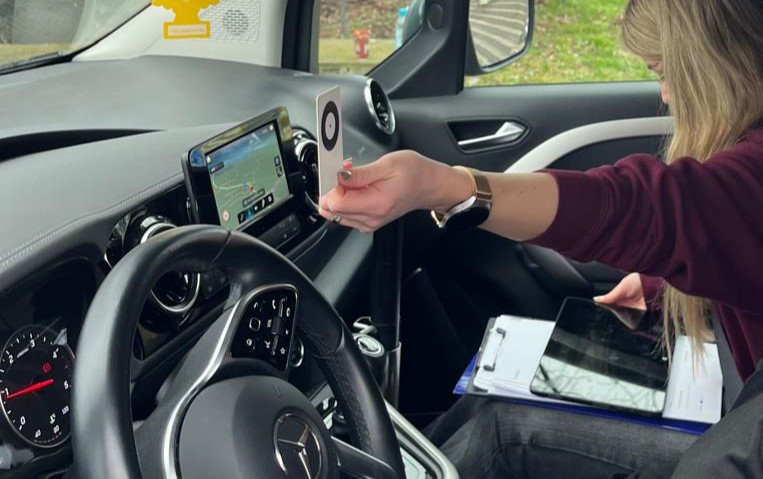
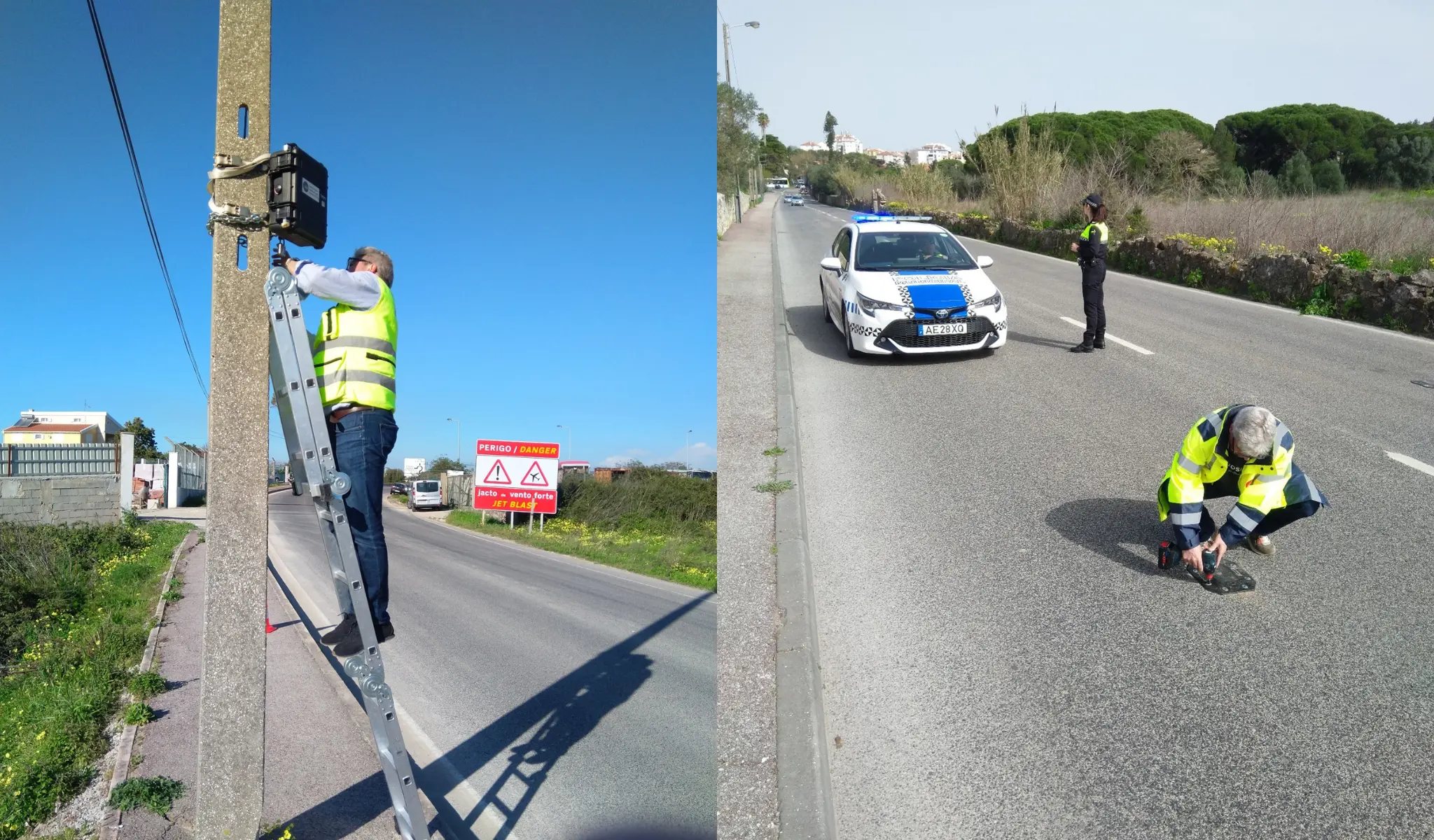
Across the five pilot sites, activities are progressing steadily as CAMBER moves further into implementation. In Cascais, preparations continue for the deployment of safety measures, alongside data collection activities. In Trikala, development of the pavement intelligence platform is advancing, supported by the integration of the iRAP framework for safety assessment. The North Holland pilot is progressing with risk-based road segmentation and the use of ROMO data to strengthen monitoring and evaluation processes. In Croatia, digital twin-related data collection is ongoing in parallel with preparations for planned safety interventions. Meanwhile, in Spain, the ground-truth campaign along the N-120 has been successfully completed, with post-processing and analysis now underway.
Focusing on impact: Key Exploitable Results workshop
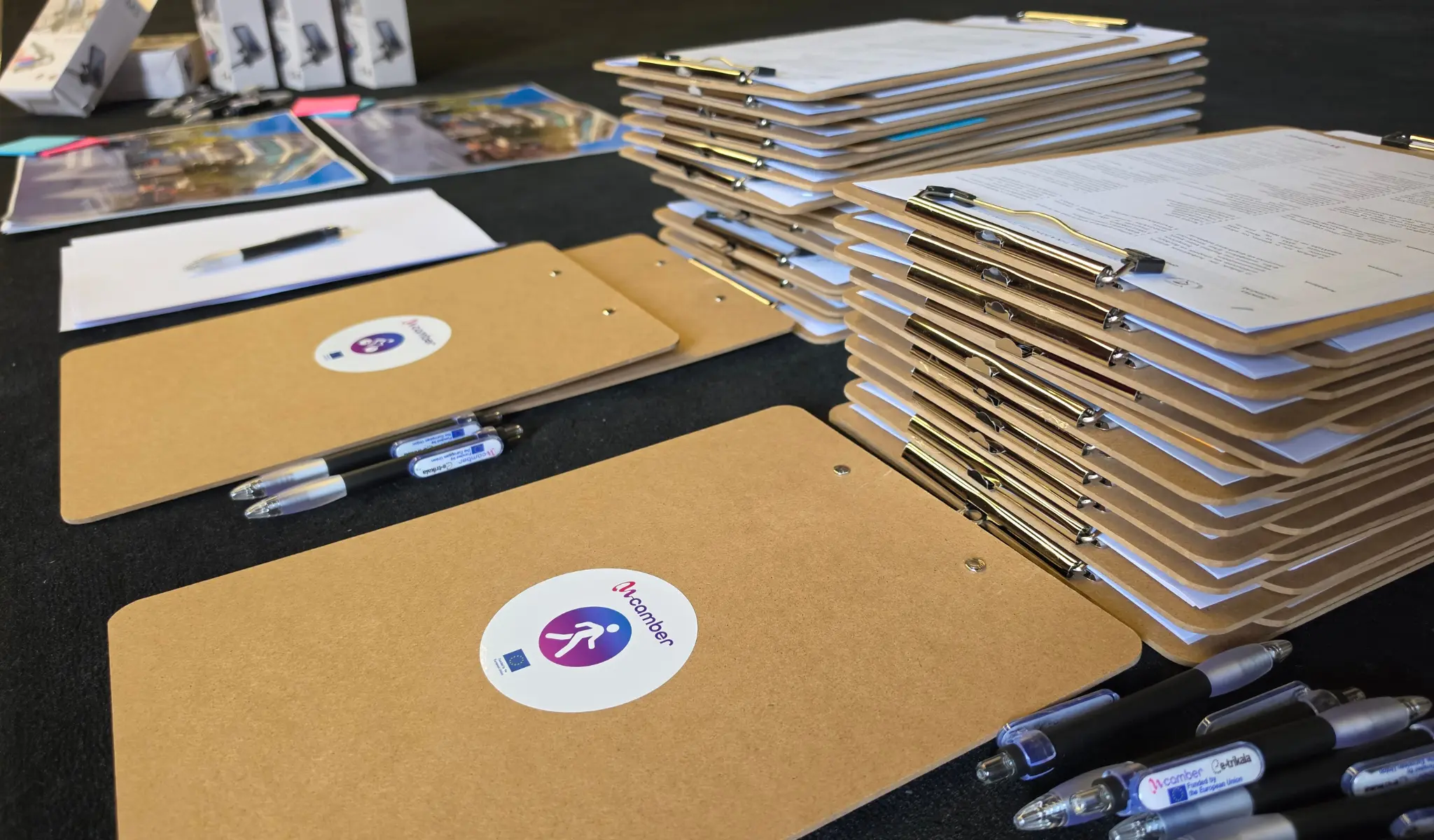
A dedicated workshop was also held on Key Exploitable Results (KERs), helping partners define how CAMBER’s outputs will translate into real-world impact. Through interactive group work, the consortium identified exploitation routes, stakeholder targets and long-term replication pathways to ensure that project results remain sustainable and scalable beyond the project’s lifetime.
As CAMBER progresses into its 2nd year, the Madrid meeting reaffirmed the consortium’s shared commitment to delivering practical, scalable and data-driven solutions for safer and smarter urban and secondary roads across Europe.