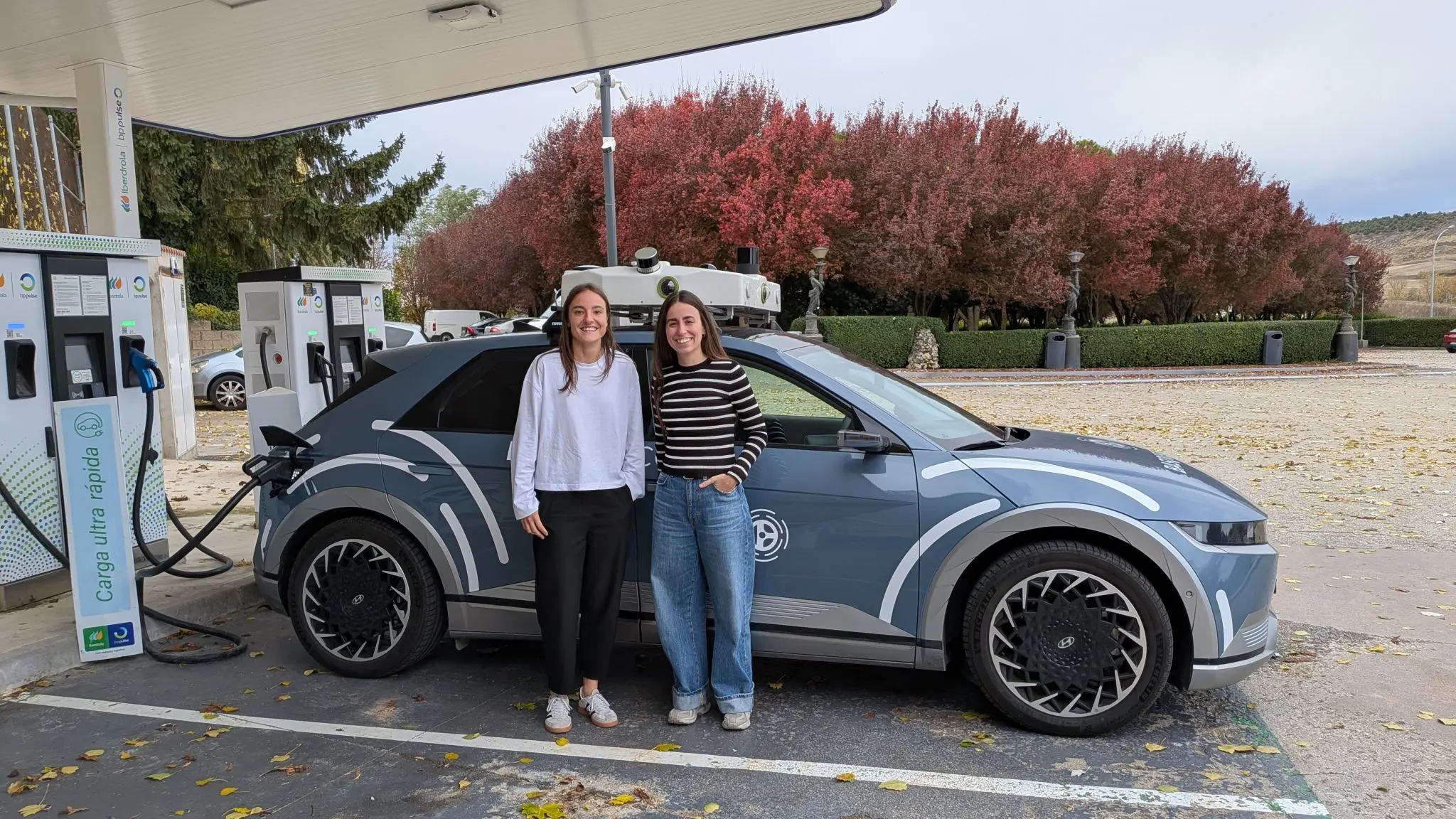
The CAMBER project has reached an important milestone with the successful completion of the first phase of data collection for the Spanish pilot. This achievement marks the start of an in-depth effort to analyse road conditions and safety challenges on secondary roads in Spain.
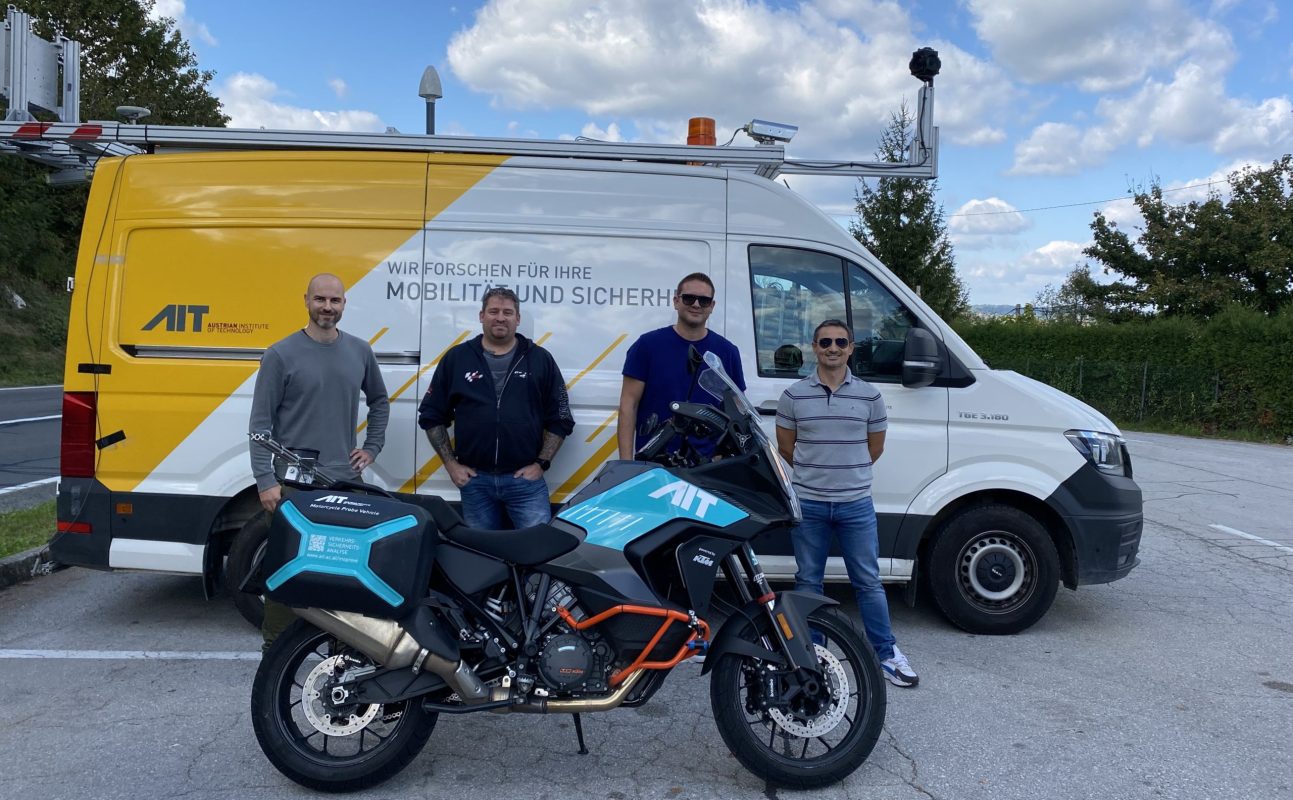
The Vicomtech team from the Intelligent Systems for Mobility and Logistics research area carried out a detailed data-capture campaign along a 40 km stretch of the N-120 road in Burgos, a route that forms part of the historic Camino de Santiago. Using specialised sensing equipment, the team collected essential information to support the development of digital tools and safety assessments within CAMBER.
Improving safety on secondary roads
In close collaboration with the Ministerio de Transportes y Movilidad Sostenible, the Spanish pilot aims to demonstrate and evaluate innovative, cost-effective solutions to improve both the safety and maintenance of secondary roads. Particular attention is placed on the safety of cyclists, a vulnerable group frequently travelling along this corridor.
The pilot’s approach combines sensor data, digital analysis and low-cost interventions, all tested in real-world conditions. These activities will help CAMBER develop practical recommendations and contribute to better-informed road management strategies across Europe.
Collaboration in action
The CAMBER team extends its appreciation to BasqueCCAM for providing the vehicle used during the data-collection campaign. Their support has been instrumental in advancing the safety evaluation activities and the ongoing development of the project’s digital twin.
Further updates from the Spanish pilot will be shared as the next phases of analysis and testing progress.