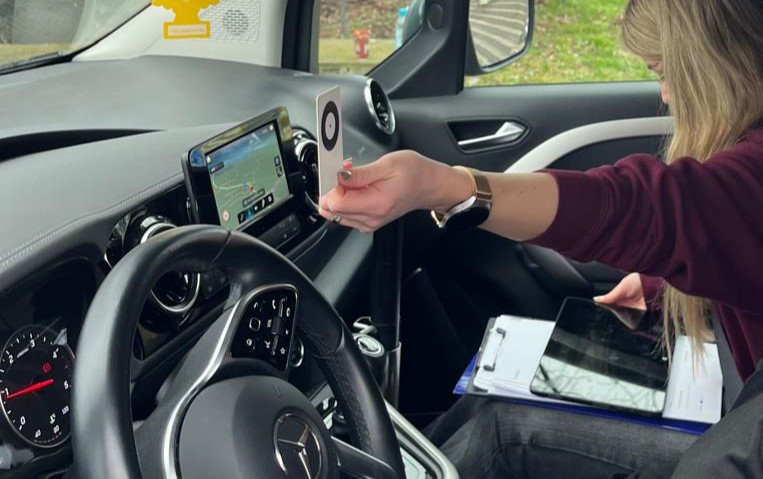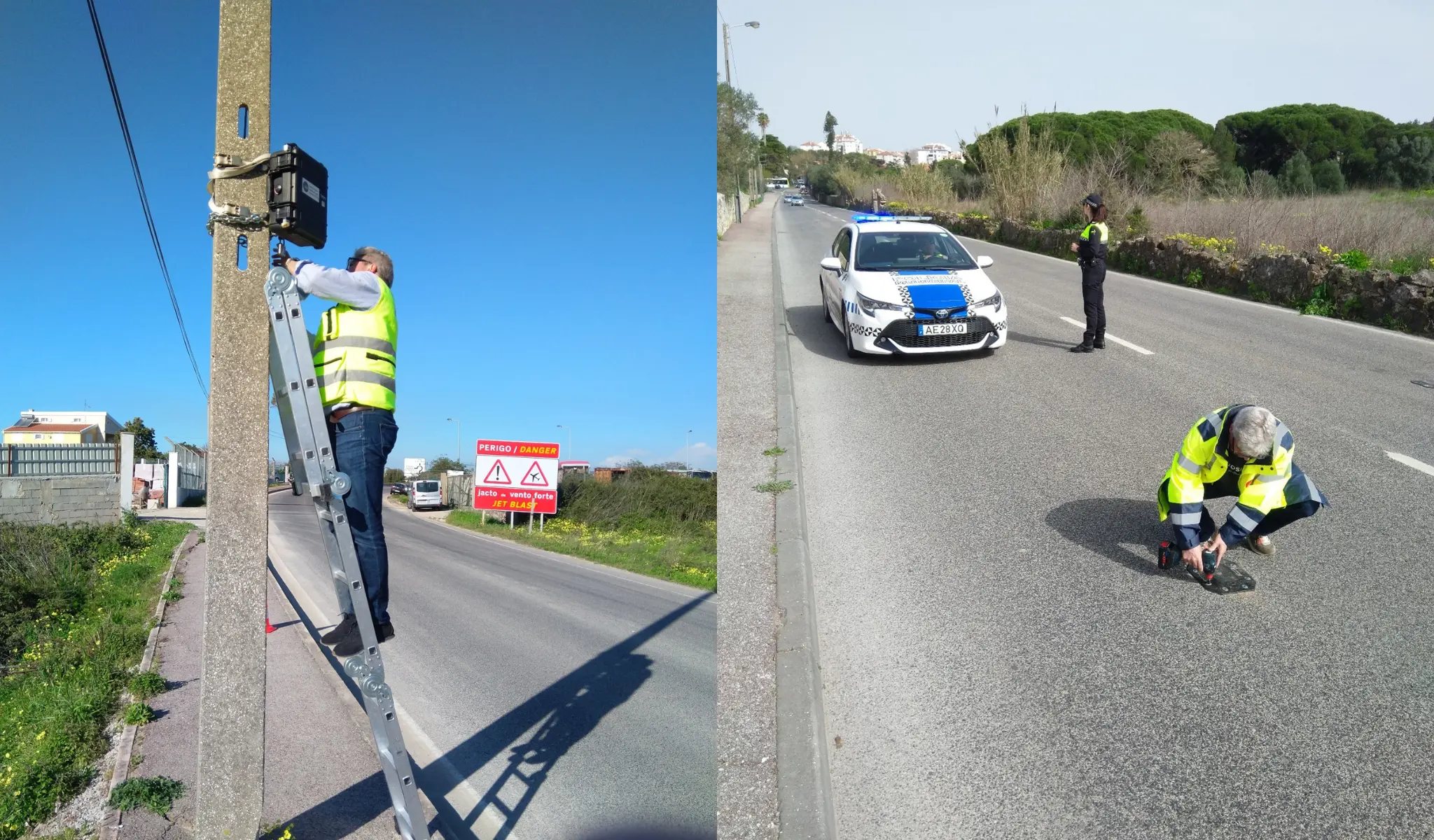

The city of Trikala is progressing toward a significant milestone in the CAMBER project, as preparations are underway for a series of real-world demonstrations set to begin in 2026. These activities will introduce innovative digital tools designed to improve the safety, quality and maintenance of urban streets, with a particular focus on cyclists and other vulnerable road users.
Cyclist-based data collection for smarter safety insights
A central component of the Greek pilot is a mobile platform developed by ICCS, which will collect data directly from cyclists’ smartphones as they travel through the city. Using a combination of GPS tracking, video, and motion sensors, the platform will detect cracks, bumps and surface irregularities across bike lanes and streets. AI and Machine Learning (AI/ML) techniques will analyse this information, and through the iRAP framework, translate it into actionable safety insights and performance indicators.
ICCS will provide the digital platform and API that make this information accessible to local stakeholders. Working closely with eTRIKALA, the system is expected to integrate with the municipality’s control room, enabling faster and more informed decision-making on street maintenance and infrastructure planning.
Building a digital twin for enhanced road management
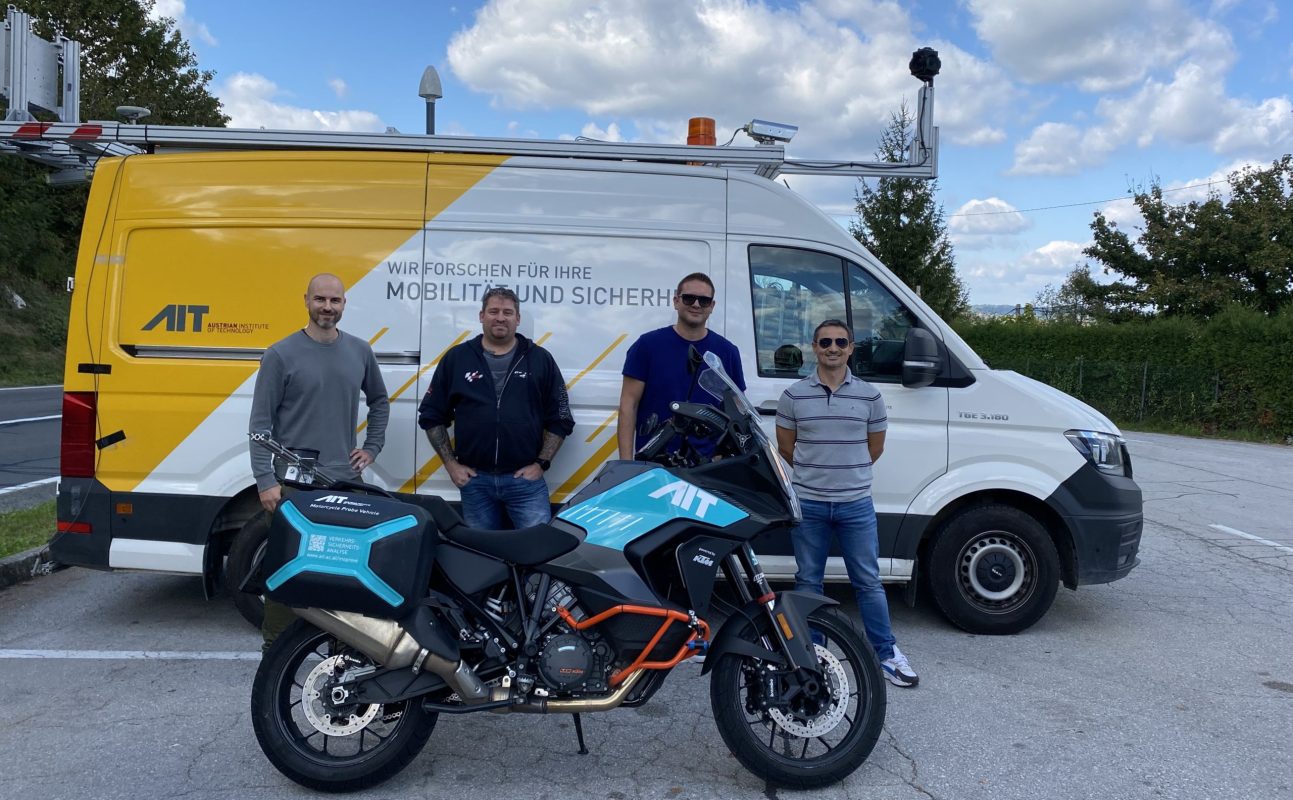
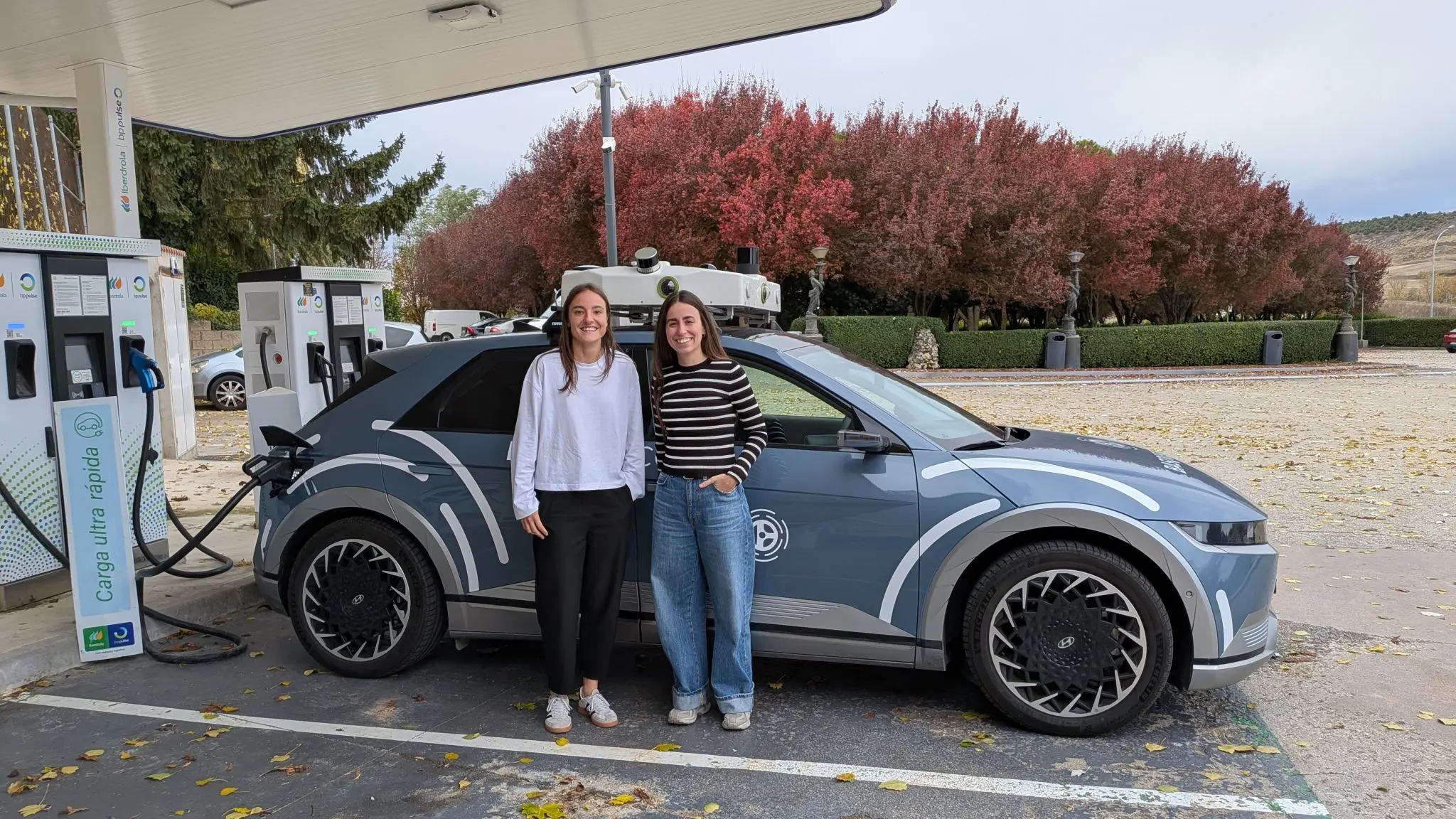
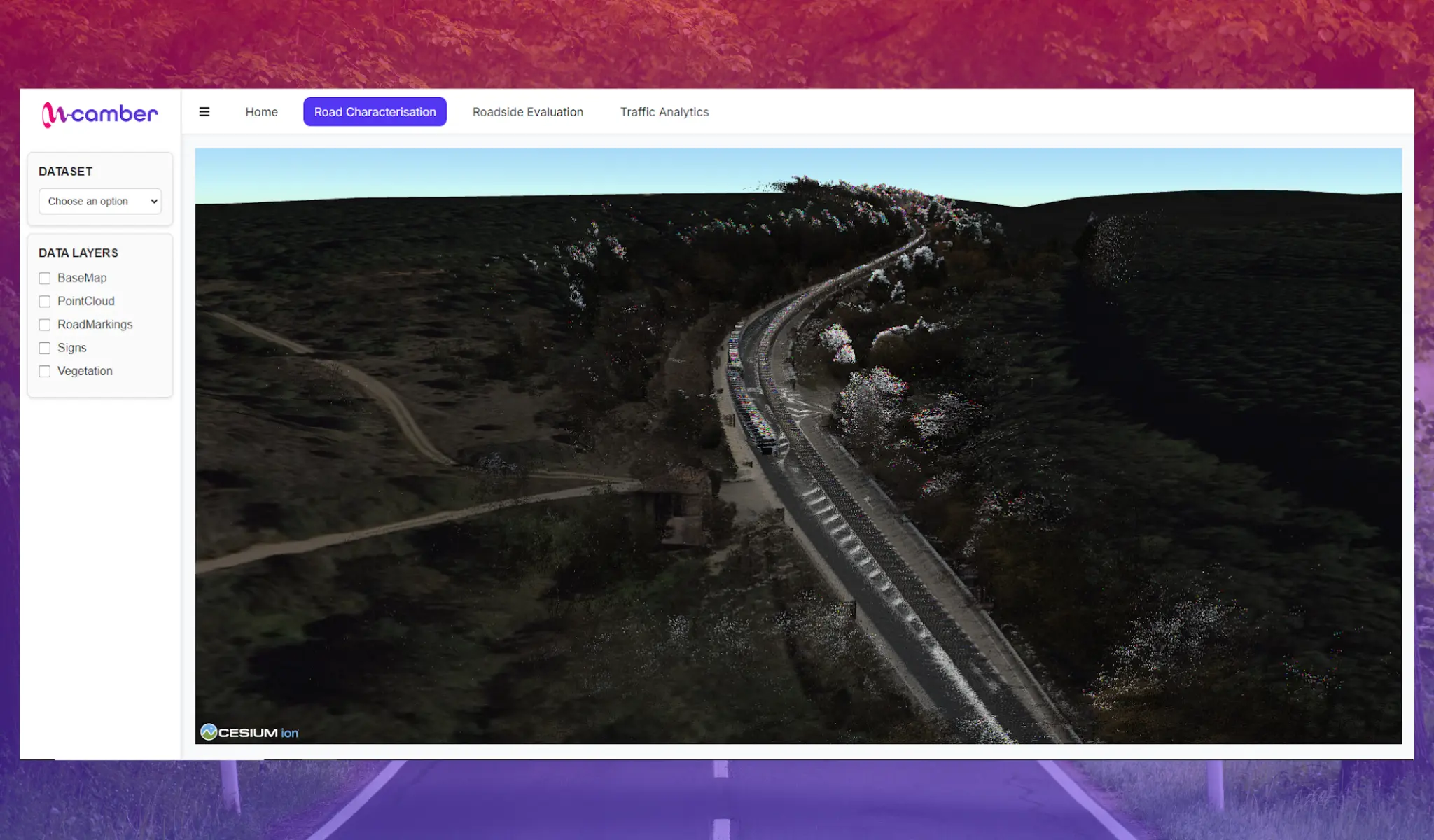
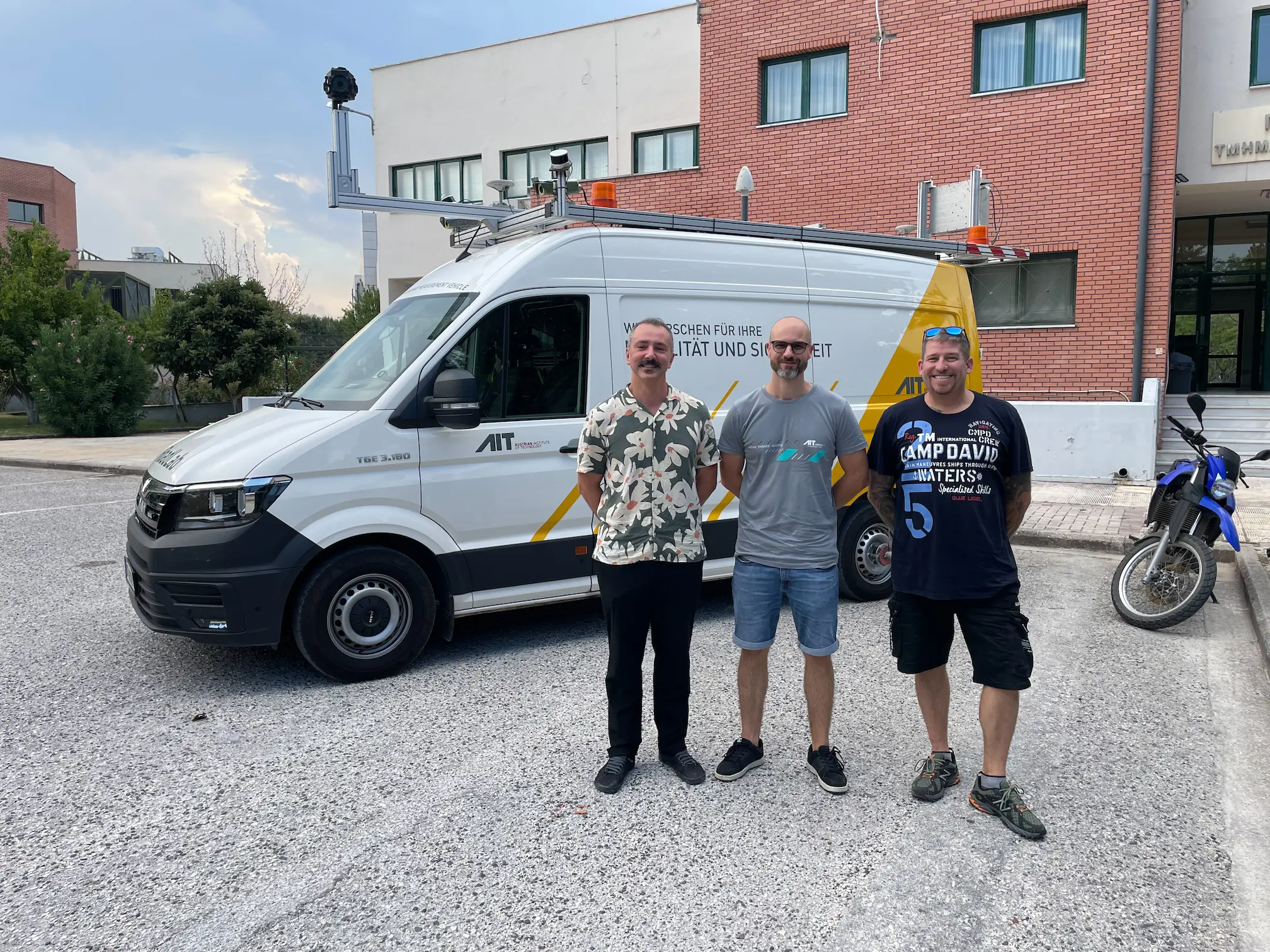
Beyond the urban centre, CAMBER is preparing the deployment of AIT’s RoadLab campaign along a 5 km corridor to gather high-precision “ground-truth” data. This one-time campaign will generate a detailed point cloud of the road environment, forming the foundation for a GIS-based digital twin.
This digital twin will combine high-accuracy measurements with georeferenced photos, offering a rich, real-world visual and analytical representation of the corridor. The model will feed into advanced simulation environments developed by ICCS, supporting the testing and evaluation of Advanced Driver Assistance Systems (ADAS) and Cooperative, Connected and Automated Mobility (CCAM) performance under realistic conditions.
Together, the cyclist-based data platform, Digital Twin, and simulation tools will provide Trikala with a comprehensive framework to assess how infrastructure and mobility technologies interact with real-world conditions. This integrated approach will support better-informed decisions on road maintenance, safety improvements and future mobility planning.
With pilot activities scheduled to begin in spring 2026, the CAMBER project is laying the groundwork for a safer, smoother and more resilient mobility network in Trikala, benefiting all who walk, cycle or drive through the city.